
Birds
We also treat internal medical conditions in these patients, such as infections, digestive problems, or organ failure. To do so, we use X-rays and ultrasound examinations, as well as blood tests, thyroid swabs, and fecal examinations. Surgeries for tumors, egg binding, or fractures are also available at our specialized veterinary practice in Berlin-Neukölln.
Please note that we cannot care for wild birds (including city pigeons):
The point of contact for wild birds is the Small Animal Clinic at Freie Universität Berlin. Due to the high volume of wild animals they treat, the staff at the university clinic are highly trained in handling these animals and have a great deal of experience. The university clinic works closely with NABU, which ensures that the animals can be expertly released back into the wild after recovery and can interact with other members of their species in the aviaries.
Commercial poultry, such as chickens:
Due to stricter legislative requirements regarding the handling and treatment of commercial poultry, we are unfortunately compelled to refuse these patients. The mandatory reporting requirement for antibiotic therapy in chickens complicates individual arrangements and is not possible for us due to regulatory approval requirements. We ask owners of commercial poultry, such as chickens, to consult specialized avian clinics in Berlin or the Institute for Poultry Diseases at the Free University of Berlin.
Thank you very much for your understanding!
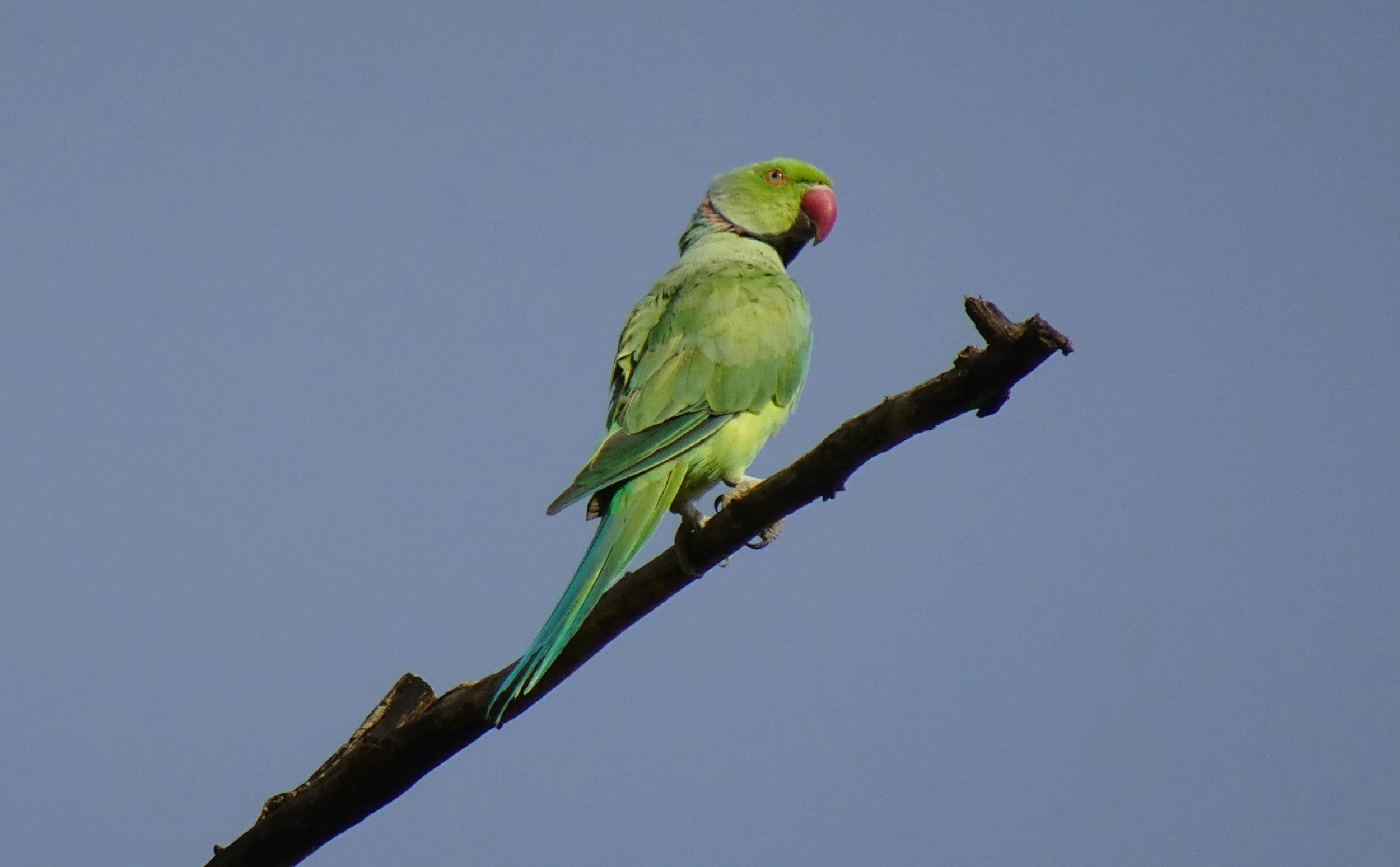
At our veterinary practice specializing in birds in Berlin-Neukölln, we primarily treat parrots and songbirds. These two groups are represented in private households by numerous species that come from different habitats and therefore may have very different care requirements. But these birds have one thing in common: they don’t like to live alone! They tend to pair up or even live in large flocks.
Birds that live in flocks tend to show signs of illness quite late! They don’t want to stand out in the flock, since predators primarily target weaker animals. This often makes it difficult for us as owners to recognize when a budgie is sick, and we can assume that the bird has likely been carrying the illness for some time by then.
Transport Please transport your pet to us protected from the cold and wind; ideally, use a a transport cage that opens on the side and allows us veterinarians to see how the bird is sitting on the perch and how it’s behaving from the outside. In our experience, igloo-style carriers have proven particularly effective for smaller birds up to the size of a cockatiel. In this type of carrier, the bird is protected because it can look out while others cannot easily see inside, and removing the bird is very easy thanks to the zipper on the flap. A water dish can easily tip over or leak; for transport, a slice of cucumber and a piece of a millet cob are sufficient (for small birds such as canaries and budgies; large parrots can also be given an external food dish filled with seeds). Please be sure to bring a collected fecal sample (a sample collected over at least 3 days) and make sure it includes soft droppings as well.
Examinations of feces and crop samples for infectious agents are usually part of a standard checkup, since our feathered friends often carry parasites or fungal infections. Especially with new arrivals or before introducing birds to a group, it is advisable to determine the current status of infectious agents—even if no disease is yet apparent—to prevent the spread of infection to other birds. As a general rule, before a one-week quarantine period to allow for the detection of any emerging symptoms. Remember: Birds tend to hide the fact that they are sick!
In addition to initial examinations, birds with symptoms are, of course, also brought in. A key area of concern here is respiratory infections, which can affect the lungs, the air sac system, and the birds’ numerous sinuses . Symptoms typically include sneezing, discharge from the nostrils, beak, or eyes, and swelling in the facial area.
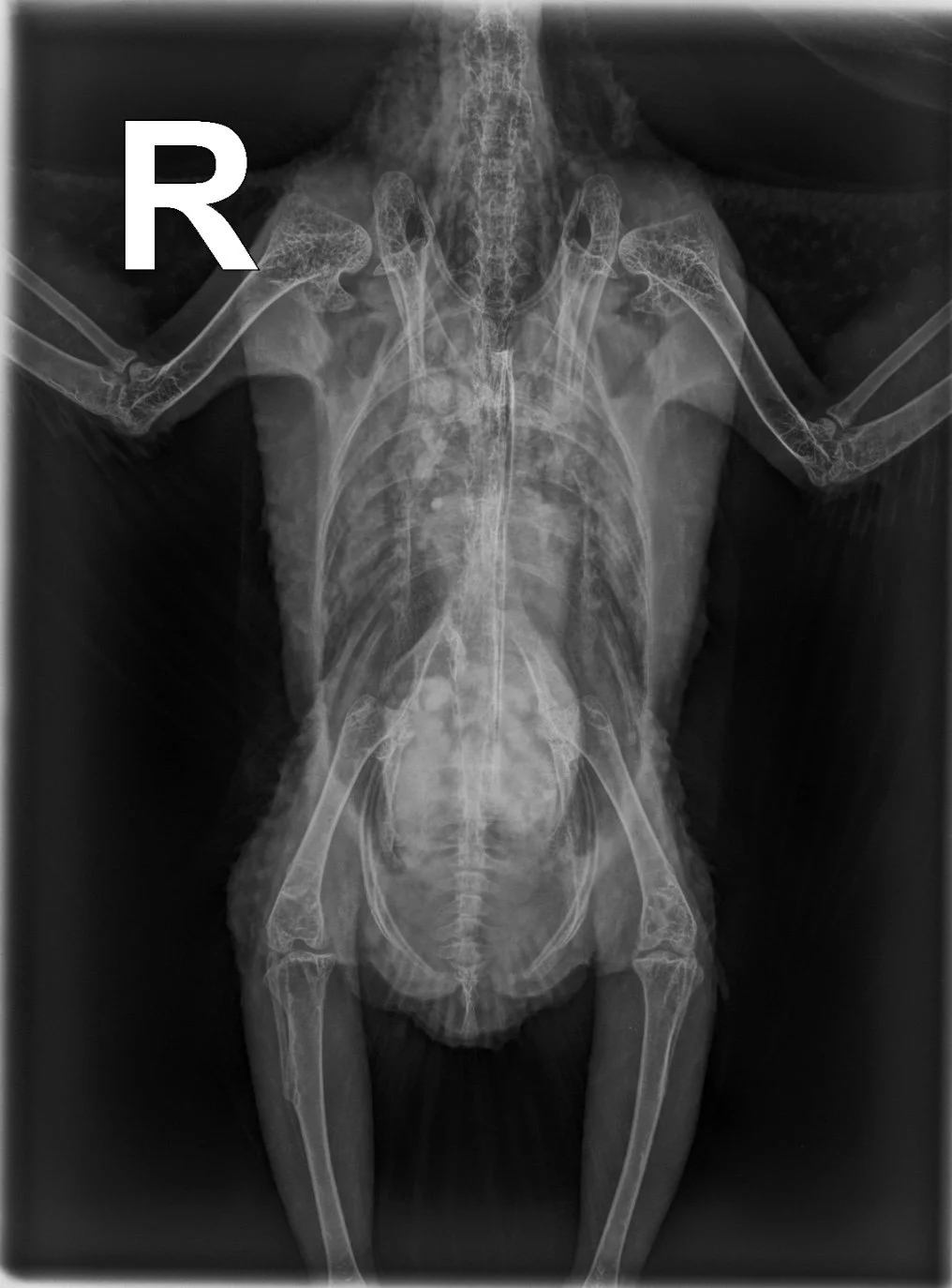
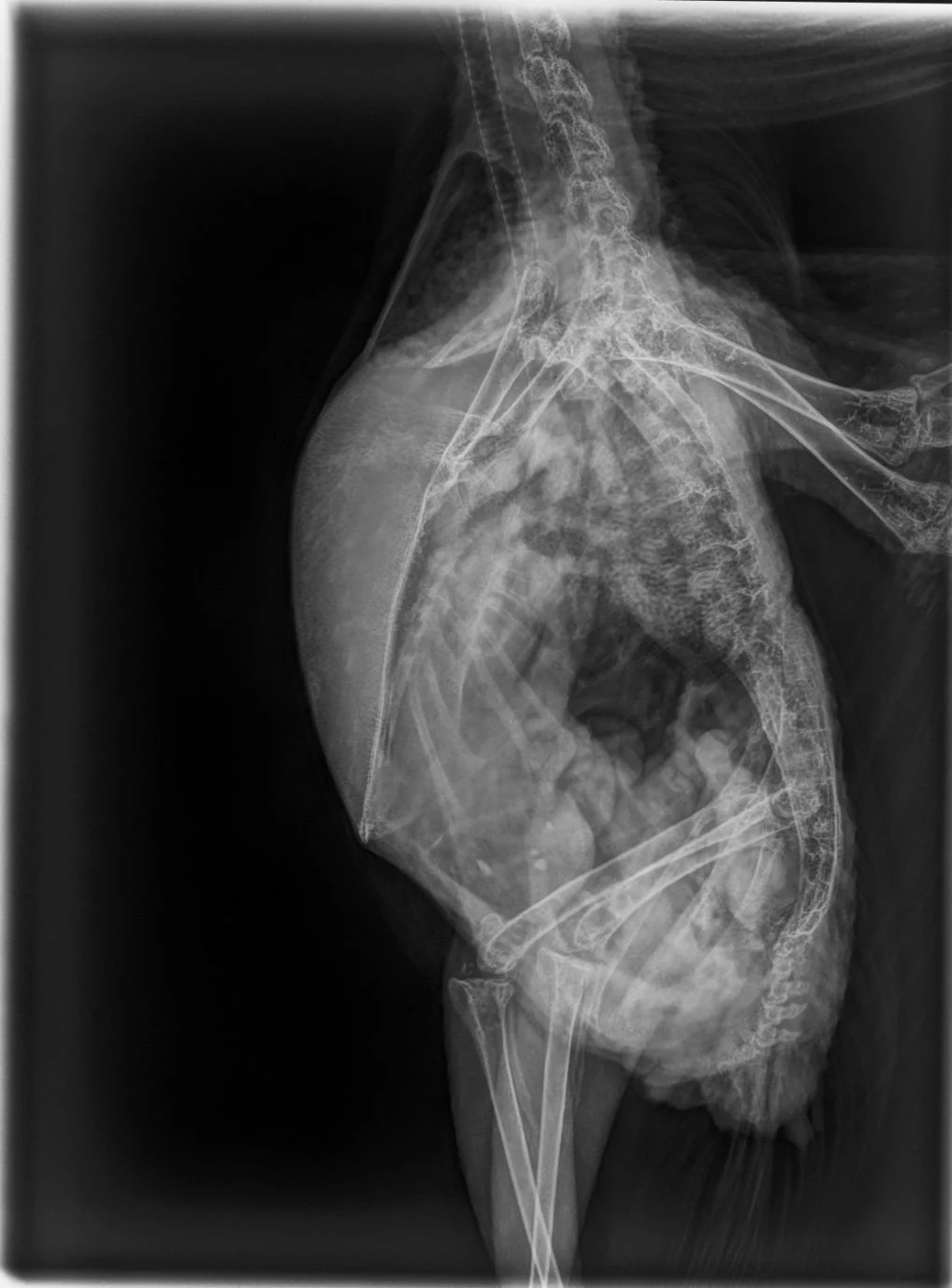
Photos: X-rays of an African grey parrot.
Diarrhea or vomiting of grains may indicate an infection in the gastrointestinal tract.
Itching and feather loss can also be caused by infectious agents such as parasites or viruses. However, psychological issues such as loneliness can also play a role. Don’t hesitate to schedule an appointment with our veterinarians who specialize in birds. We’d be happy to advise you.
Just like our chickens, some female parakeets and finches start laying eggs. This is usually triggered by environmental factors such as the length of daylight, courtship by a mate, or a good supply of food—but not always. We determine whether a egg retention and advise you on any necessary surgical intervention. Furthermore, we’ll discuss the housing conditions that may have led to egg-laying and explore possible treatments to prevent further excessive egg-laying.
Also traumatic injuries can occur. Despite their love of company, our feathered friends don’t always get along with one another, and a beak can sometimes cause serious injuries (especially in large parrots). Allowing them to fly freely in the apartment is, of course, desirable. Birds want to—and should—fly! If only to prevent obesity. But there are dangers here as well when birds fly uncontrolled throughout the entire apartment. They may not see glass panes and could fly into them; slamming doors are a major hazard, as are other pets in the home, such as dogs and cats.
If a bird has an injury—which may even be bleeding—it’s important to take it to the veterinarian right away to have the injuries examined. X-rays reveal the extent of the injuries. If necessary, wounds are treated and sutured under anesthesia, X-rays are taken, bandages are applied, and we’ll advise you on whether surgical treatment is necessary, for example, in the case of broken bones. We can treat many of these fractures ourselves; otherwise, we’ll refer you to specialized colleagues.