
Internal Medicine and Dermatology
Internal Medicine and Dermatology for Dogs, Cats, Pets, Birds, and Reptiles
Internal medicine and dermatology focus on the diagnosis and treatment of diseases of the internal organs, the skin, and the ears. At the Sonnenallee Veterinary Practice in Berlin-Neukölln, we examine dogs, cats, small animals, birds, and reptiles for various internal medical conditions and clinical presentations affecting the following organ systems:
Gastrointestinal tract: vomiting, diarrhea, loss of appetite, weight loss, and chronic digestive problems.
Liver and Pancreas: Diagnosis of organ diseases and metabolic disorders.
Kidneys and Urinary Tract: Evaluation is indicated in cases of increased thirst and urine output, changes in urine, or impaired kidney function.
Heart and Respiratory System: Evaluation of cough, breathing difficulties, reduced exercise tolerance, and abnormal breathing.
Endocrine System and Metabolism: Diagnosis of Suspected Hormonal Disorders and Metabolic Disorders.
Blood and the Immune System: Evaluation of abnormal blood test results and potential medical conditions.
Dermatology: Itching , redness, pustules, ear infections - Evaluation of all skin changes.
Allergies: Manifest as symptoms affecting various organs, such as the skin, the respiratory tract, or the gastrointestinal tract.
Diagnosis and Treatment
The examination begins with a detailed medical history (assessment of symptoms) and a general clinical examination. Depending on the symptoms and the suspected condition, further tests may be necessary. These may include, for example, blood and urine tests, ultrasound and X-ray examinations, or blood pressure measurements. Based on the test results, we develop a customized diagnostic and treatment plan. This plan is tailored to the suspected or diagnosed condition, the animal’s overall health, and the specific needs of the individual animal.
Species-Appropriate Medical Care
When it comes to pets, birds, and reptiles, species-specific characteristics must be taken into account. Housing, diet, ambient temperature, and living conditions can play an important role in the development and diagnosis of diseases in these animal groups. Therefore, it is important to include these factors in the examination.
Our goal is to provide structured diagnostics, targeted treatment, and clear guidance for pet owners.
The Sonnenallee Veterinary Practice in Berlin-Neukölln is your go-to place for internal medicine evaluations of illnesses in various animal species.
-
Gastrointestinal Disorders
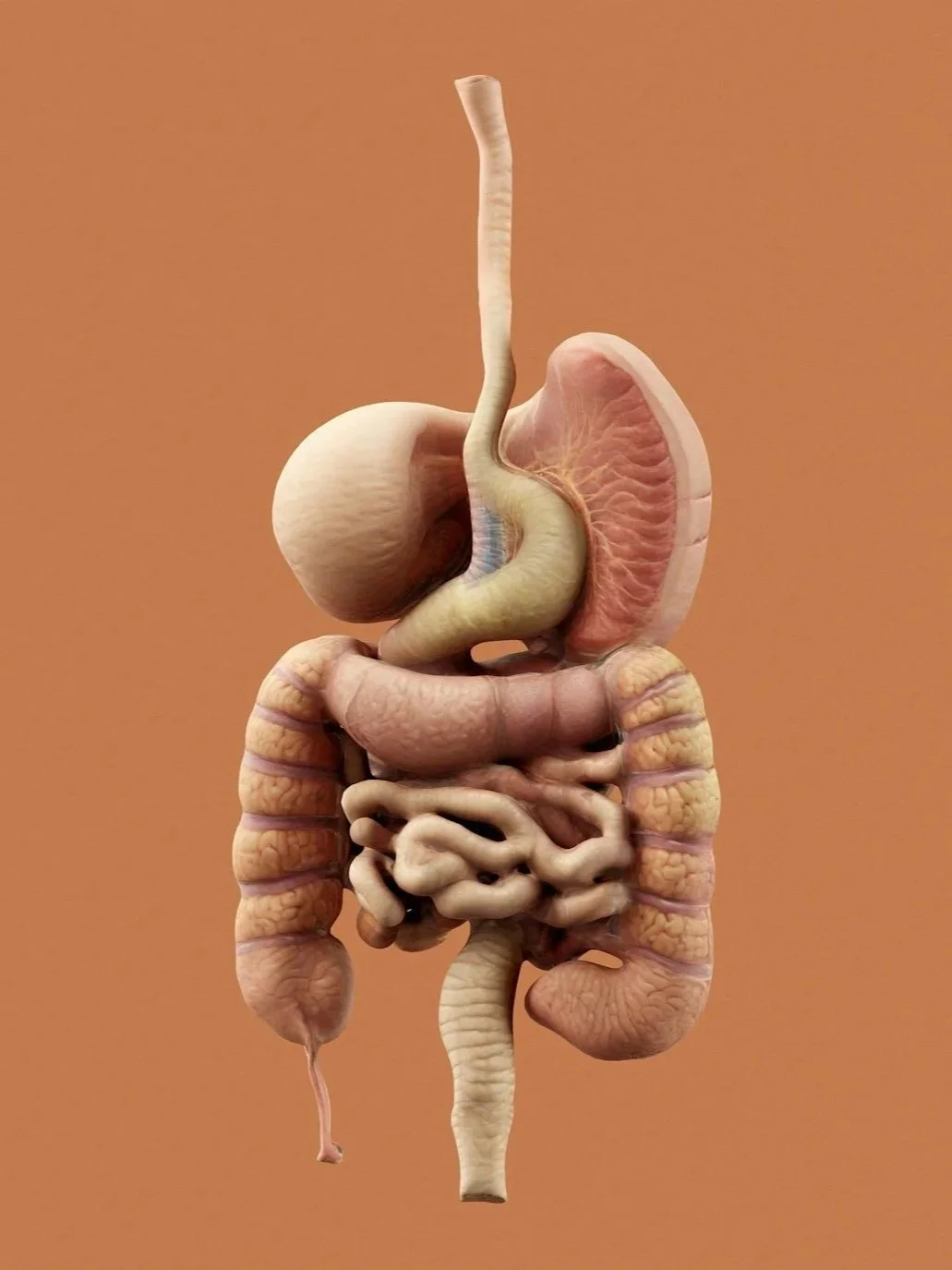
Gastrointestinal disorders are common in dogs, cats, and small pets such as rabbits, guinea pigs, and hamsters. Typical symptoms include diarrhea, vomiting, loss of appetite, abdominal pain, and changes in bowel habits. Causes can include changes in diet, infections, parasites, or the ingestion of inappropriate food. Ingesting foreign objects such as plastic pieces, toys, or even acorns and chestnuts can also lead to gastrointestinal problems. Gastrointestinal problems can quickly become life-threatening, especially in small pets, which is why prompt action should be taken if any abnormalities are noticed.
-
Liver and Pancreas
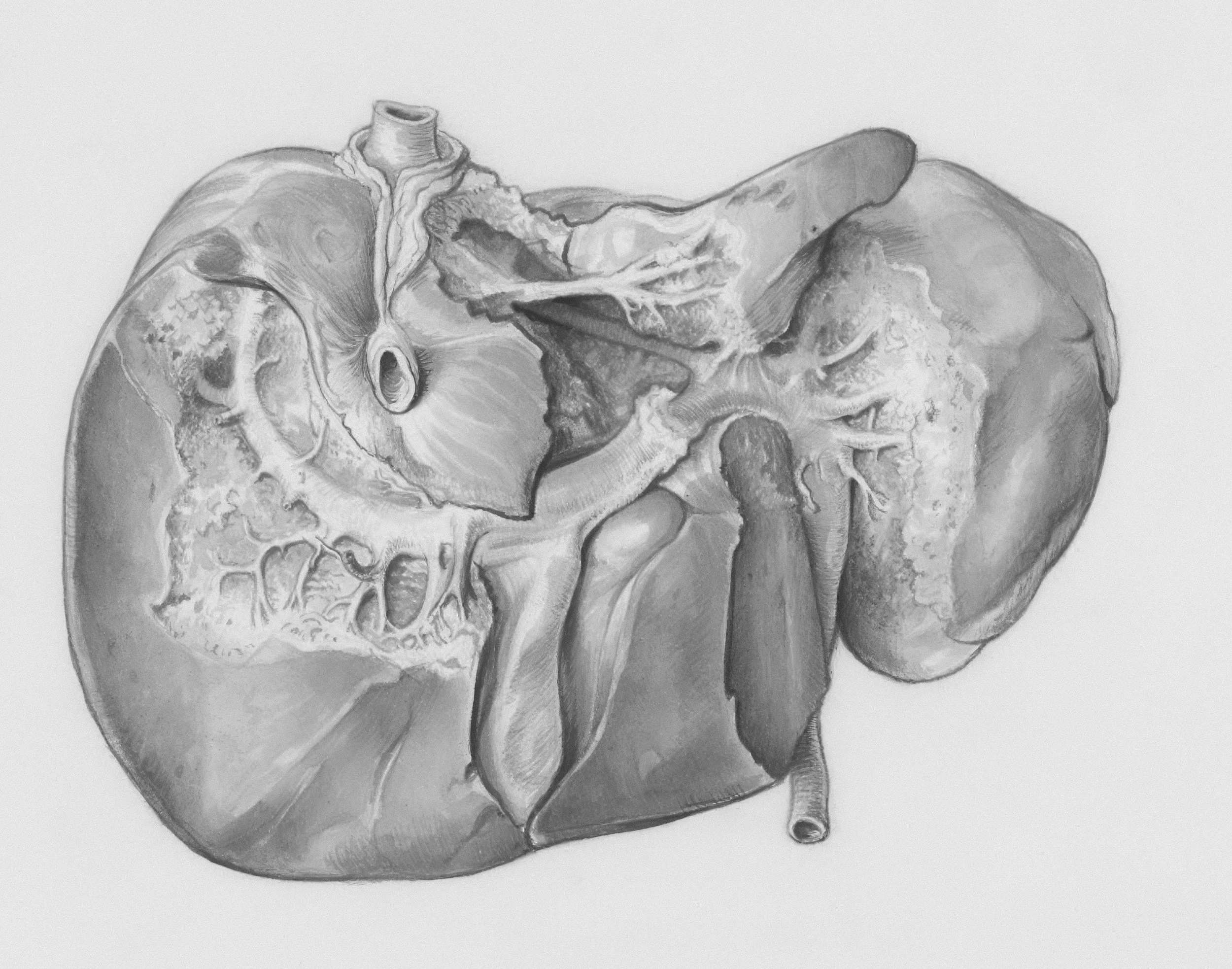
The liver performs important functions in the body, including detoxifying the blood, storing nutrients, and producing bile for the digestion of fats. Liver disease can result from inflammation, poisoning, infections, or metabolic disorders. Typical symptoms include loss of appetite, weight loss, vomiting, fatigue, and yellowing of the mucous membranes (jaundice).
The pancreas produces digestive enzymes and hormones such as insulin, which regulates blood sugar levels. Inflammation of the pancreas (pancreatitis) can cause vomiting, abdominal pain, and loss of appetite in dogs and cats. Insufficient production of digestive enzymes can also lead to digestive problems and weight loss. Blood tests and ultrasounds are used to diagnose diseases of both organ systems. Treatment depends on the cause.
-
Kidneys and Urinary Tract
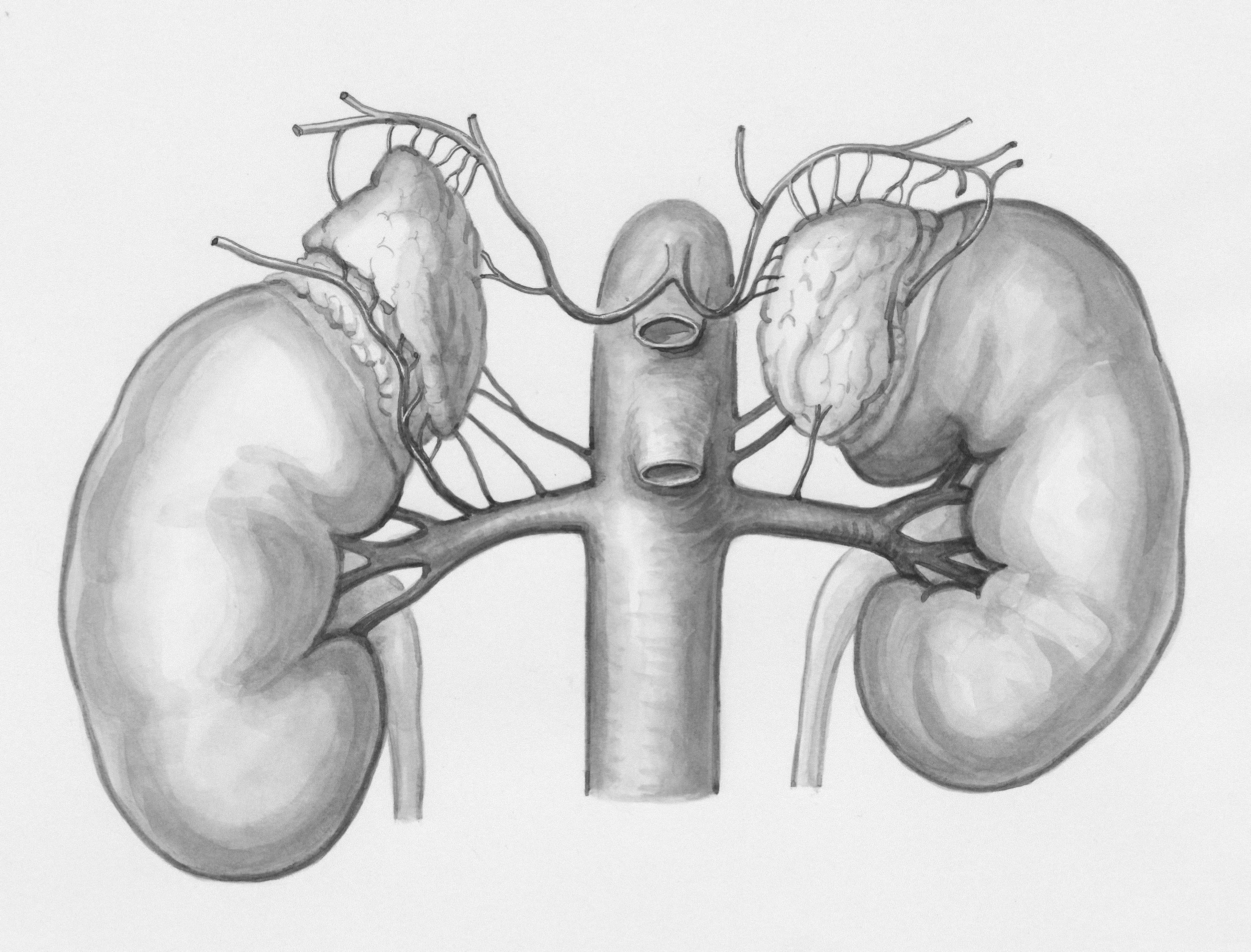
The kidneys filter waste products from the blood and regulate water and electrolyte balance. They produce urine, which travels through the ureters to the bladder and is then excreted through the urethra. Conditions such as bladder infections, urinary stones, and kidney failure can occur in dogs, cats, and other pets. Chronic kidney disease is particularly common in cats and older animals. In this condition, kidney function gradually declines over an extended period. The formation of urinary stones and inflammation of the urinary tract are also common in animals. Typical symptoms include increased thirst and urination, weight loss, loss of appetite, and possibly vomiting. Diagnosis is made through blood and urine tests, as well as ultrasound if necessary.
-
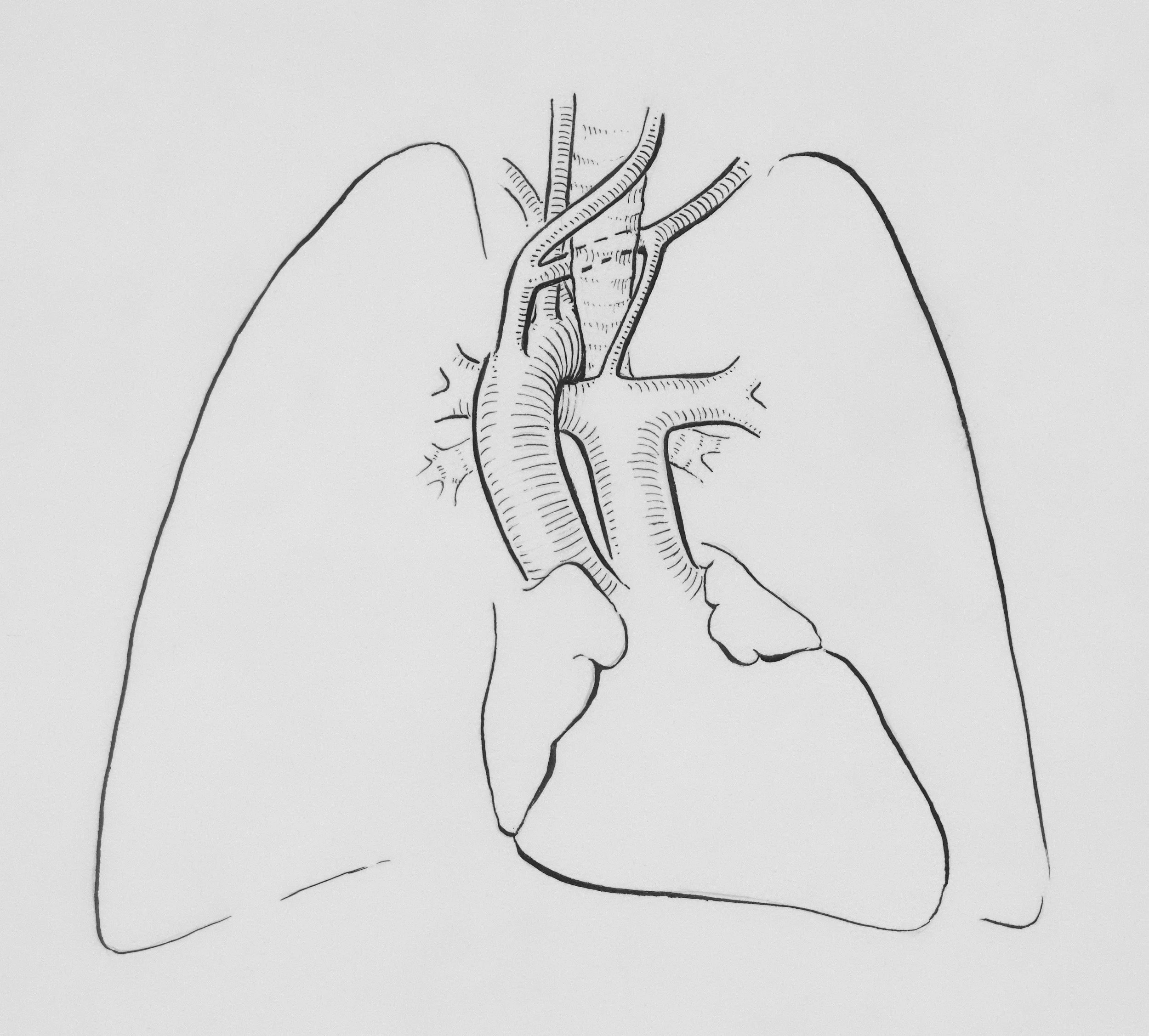
Heart and Respiratory System
Heart and respiratory diseases can affect all animal species. The most common heart diseases include heart valve defects and heart muscle diseases. A cardiological examination is very important in these cases. Respiratory diseases can be caused, for example, by infections, allergies, parasites, or chronic inflammation. Typical symptoms include coughing, shortness of breath, rapid breathing, reduced exercise tolerance, and fatigue. Diagnosis is made through auscultation, X-rays, ultrasound, and other tests. Early veterinary treatment is important to alleviate symptoms and detect life-threatening conditions.
-
Endocrine System and Metabolism
The endocrine system consists of hormone-producing glands that regulate important bodily functions such as growth, reproduction, and metabolism. Animals can develop conditions such as diabetes mellitus, hyperthyroidism, hypothyroidism, and adrenal disorders, among others. Typical symptoms include increased thirst, frequent urination, weight changes, fatigue, and changes in appetite. Diagnosis is made through blood and urine tests, as well as specialized hormone tests if necessary. Abdominal ultrasound examinations may also be required. Early diagnosis and individually tailored treatment help stabilize metabolism and maintain the animals’ quality of life.
-
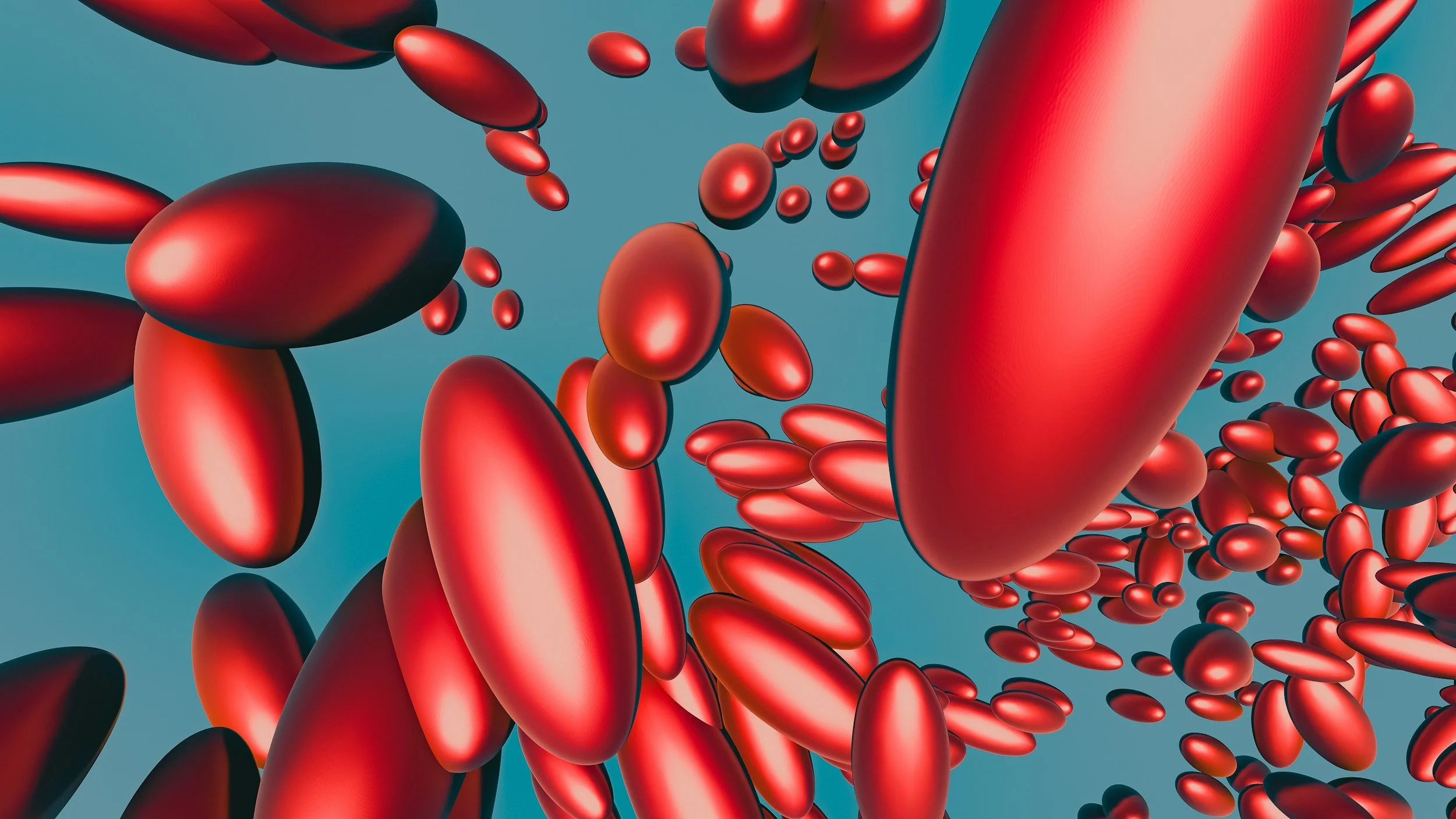
Blood and the Immune System
Blood contains various components that play a vital role in the body, such as transporting oxygen, blood clotting, and defending against pathogens. In animals, conditions such as anemia, clotting disorders, infections, and autoimmune diseases can occur. Leukemia and parasitic diseases can also affect the blood system. Typical symptoms include fatigue, pale mucous membranes, fever, bleeding, and an increased susceptibility to infection. Diagnosis is made, among other things, through blood tests. Depending on the cause, medication, supportive care, or targeted treatment may be necessary.
-

Skin Conditions
Skin conditions are common in dogs, cats, and other pets. Typical conditions include allergic skin inflammation, parasitic infestations such as fleas or mites, fungal infections like ringworm, and bacterial skin infections. In dogs and cats, for example, environmental or food allergies can cause severe itching. Cats with skin problems often exhibit excessive grooming and bald or scratched patches. Rabbits and guinea pigs may suffer from mite infestations and fungal infections, among other conditions. Typical symptoms include redness, dandruff, scabs, hair loss, and itching. Diagnosis is made through skin examinations, swabs, or skin scrapings. Treatment depends on the cause and may include medication as well as targeted skin care.
-
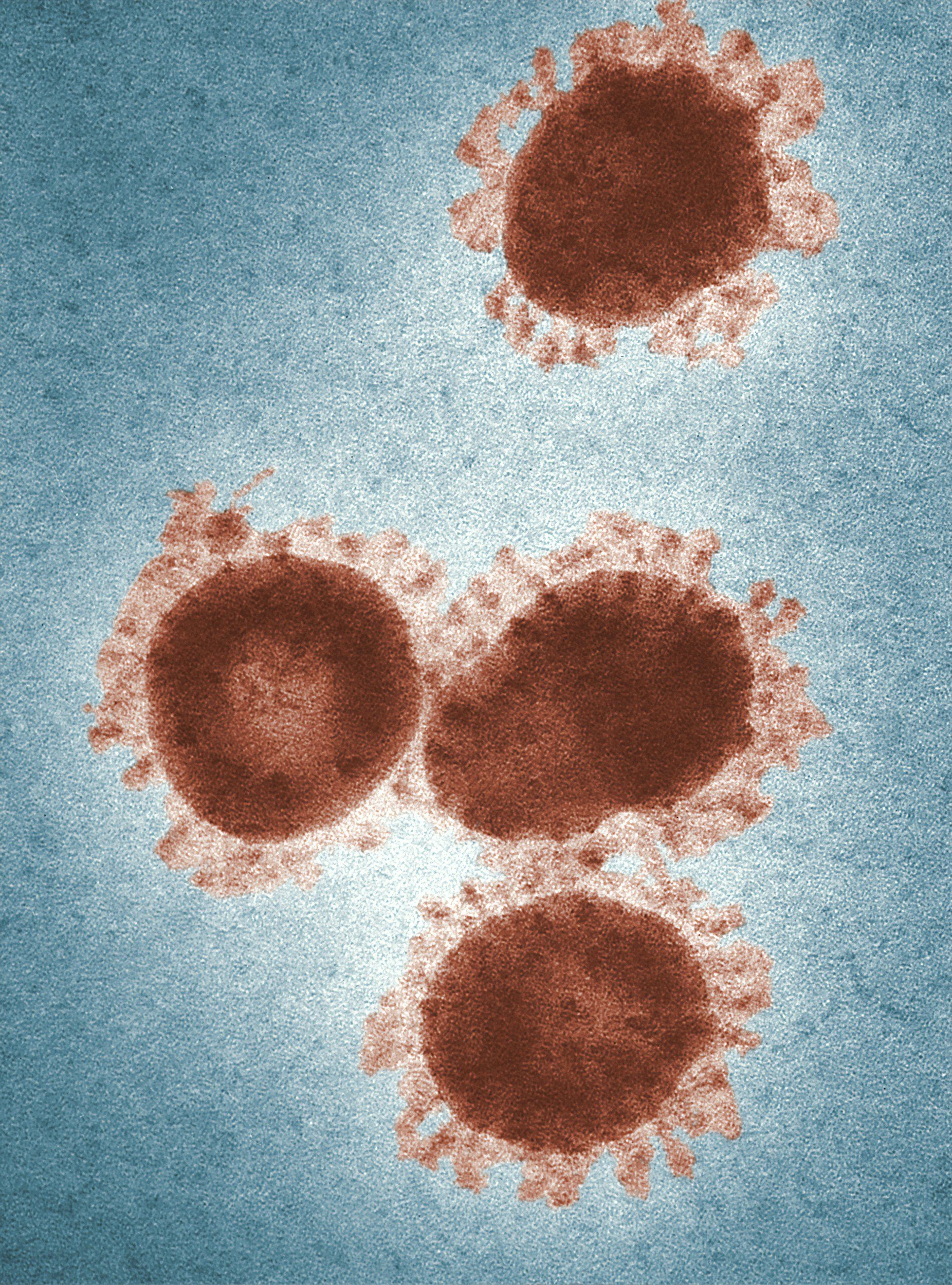
Allergies
Allergies occur in dogs, cats, and other pets when the immune system reacts hypersensitively to certain substances. Common triggers include environmental allergens such as pollen and dust mites, food ingredients, or flea saliva. Typical symptoms include itching, skin redness, hair loss, recurrent ear infections, and gastrointestinal issues. Some animals may also experience respiratory problems. Diagnosis is made through methods such as elimination diets, allergy tests, and skin examinations. Treatment depends on the trigger and may include a customized diet, avoidance of allergens, and medications to alleviate symptoms.