
Internal Medicine and Surgery
Pet Medicine, Reptile Ward, and Turtle Hibernation
The Facilities at Our Veterinary Practice in Berlin-Neukölln
Modern Diagnostics and Treatment Under One Roof
The facilities at the Sonnenallee Veterinary Practice in Berlin-Neukölln are designed to meet the needs of internal medicine, surgery, and dermatology, as well as the specialized care of pets such as rabbits and guinea pigs, and reptiles and birds. From the diagnosis of internal diseases to surgical care and the targeted diagnosis and treatment of skin conditions, the focus is always on the specific medical needs of our patients. Using our modern examination methods and treatment options, we systematically evaluate various clinical presentations and plan individualized therapies. In this way, we combine the various specialties under one roof and lay the foundation for precise diagnostics and modern veterinary care tailored to each patient’s needs.
-
Digital X-ray
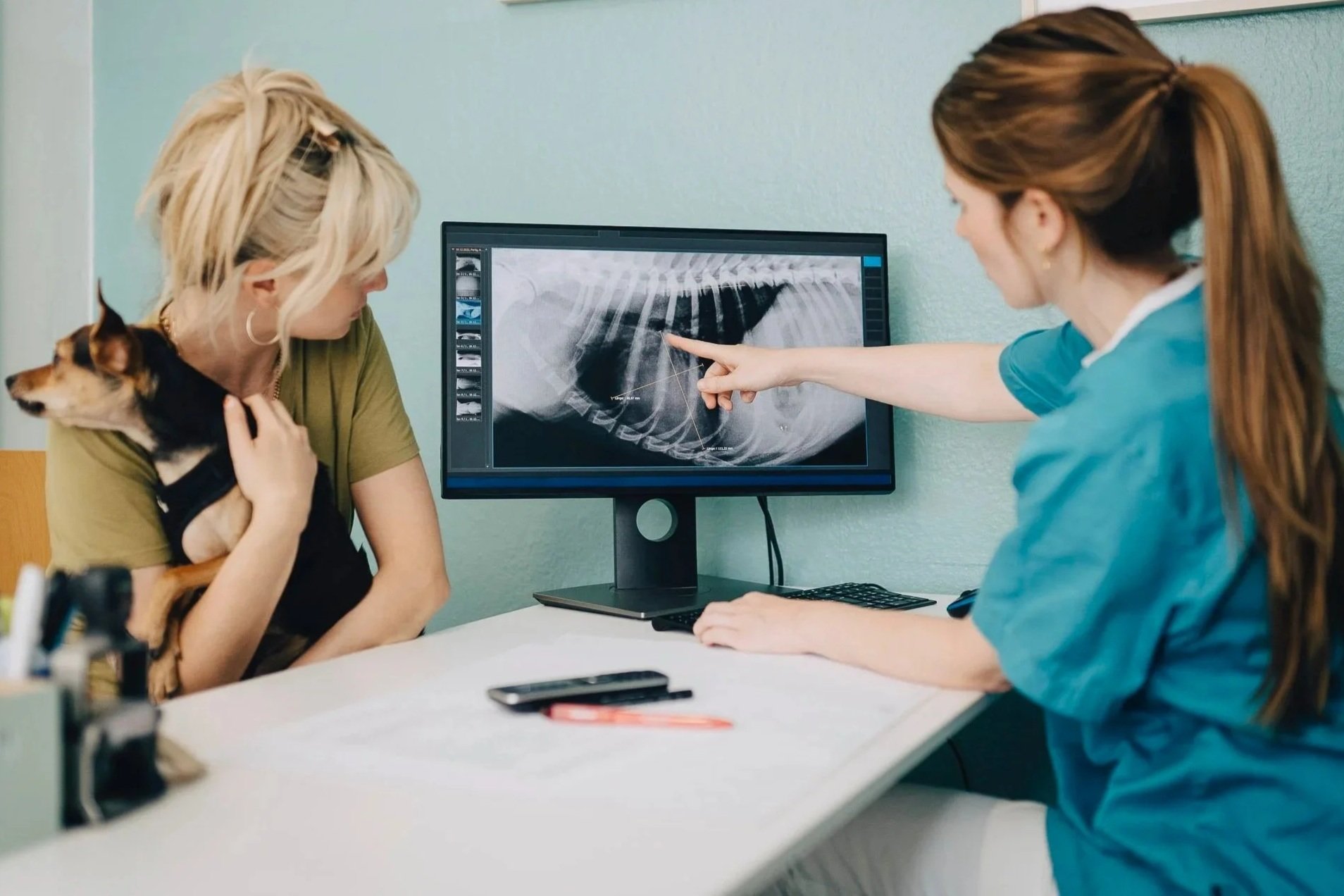
X-ray diagnostics remains a highly valued rapid imaging technique. With new digital X-ray equipment technology, radiation exposure for both examiners and patients can be significantly reduced.
The differences in X-ray density between bone, muscle, organs, fat, and air produce a grayscale image that allows for the evaluation of the body's structures. X-rays play the most important role in the evaluation of bones and the organs of the chest cavity, such as during heart examinations.
-

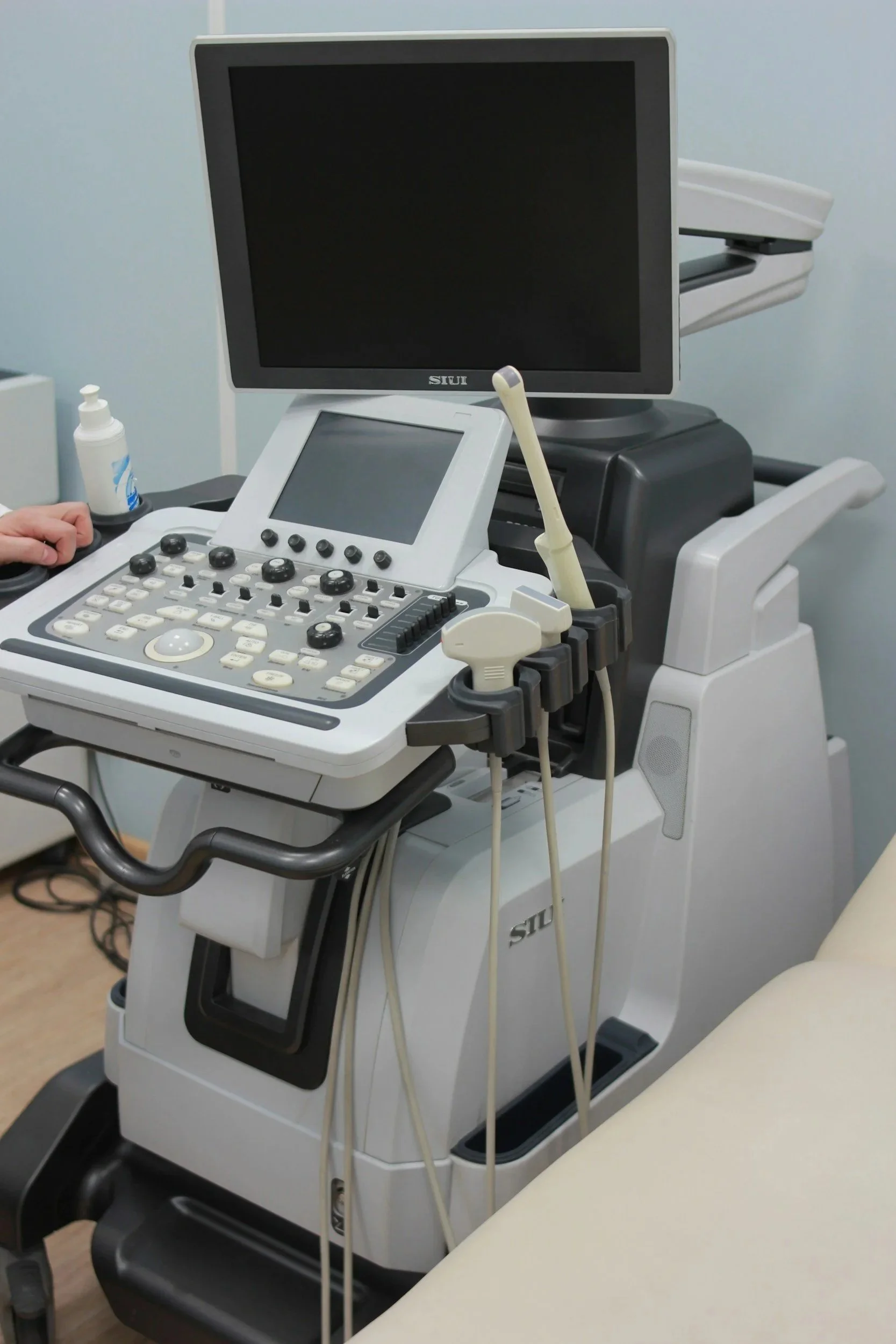
Ultrasound
Ultrasound examination, or sonography, is an imaging procedure that uses very high-frequency sound waves (above the audible range) to examine internal organs. During the examination, animals must remain as still as possible; however, sedation is only required in rare individual cases.
As ultrasound waves cannot penetrate air, it is necessary to thoroughly shave the animal at the examination site and apply a special ultrasound gel to the skin. This enhances the coupling between the transducer and the body surface. This examination method is completely painless and can be performed on all animal species. It involves no radiation exposure and can also be used for pregnant animals. In most cases, sonography serves as a supplementary diagnostic method, complementing other procedures like X-rays and blood tests, rather than replacing them.
-

Cardiac Ultrasound / Echocardiography
To accurately assess the various congenital or acquired heart conditions in dogs, cats, and other pets, it is necessary to perform an ultrasound examination of the heart. Echocardiography allows for the examination of the heart muscle—specifically its thickness and contractility—as well as the heart’s internal structures, such as the heart valves, to detect any abnormalities. In addition to black-and-white echocardiography, the examination is performed using color Doppler. This technique assesses blood flow through the heart chambers and vessels, as well as the closure of the heart valves.
-

Blood Pressure Measurement
We recommend regular blood pressure checks, especially for cats 7 years of age and older. Elevated blood pressure is often associated with kidney and heart disease, diabetes, and thyroid disorders, as well as obesity. Blood pressure that falls outside the normal range can contribute to permanent damage to various organs. The earlier a disease is detected, the better the treatment options. If left untreated, underlying conditions progress more rapidly. This can lead to permanent damage to the back of the eye, blood vessels, and other organs.
-

ECG
An electrocardiogram (ECG) is an important part of a cardiac examination. The heart muscle cells contract in response to electrical impulses generated by the body’s natural pacemaker, which then spread throughout the heart muscle. During an ECG, these electrical impulses are measured using special electrodes placed on the body’s surface and displayed as waveforms. Changes in these typical waveforms allow for a more accurate diagnosis of various heart conditions.
-

Laboratory
We perform various tests in our in-house laboratory. Using our state-of-the-art blood analyzers, we quickly generate complete blood counts and blood chemistry tests of very high reliability. In addition, we conduct urine analyses, rapid tests for various diseases, fecal examinations for gastrointestinal parasites, as well as skin sample examinations and fungal skin tests in our in-house laboratory.
-
Endoscopy/Video Otoscopy
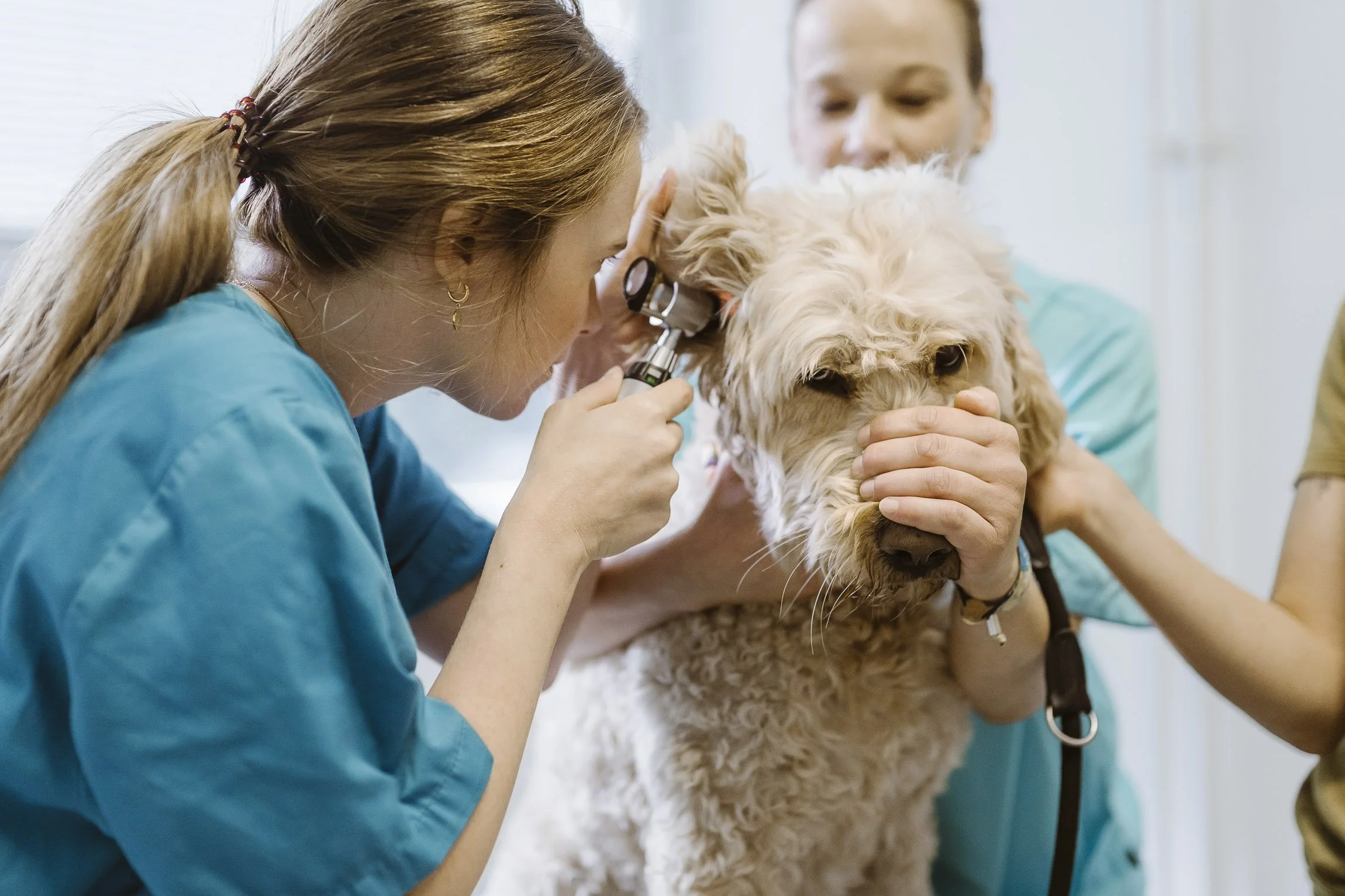
With our endoscope, we can perform examinations of the head and neck area. It allows us to conduct a detailed examination of areas that are difficult to visualize, particularly the nasal and pharyngeal cavities as well as the ear canals. The magnified view supports targeted diagnosis and helps to precisely identify abnormalities and diseases. Furthermore, it allows for the controlled removal of foreign objects, such as awns or blades of grass, from the ear canals or the nasopharynx.
-
Reptile Center - Turtle Hibernation
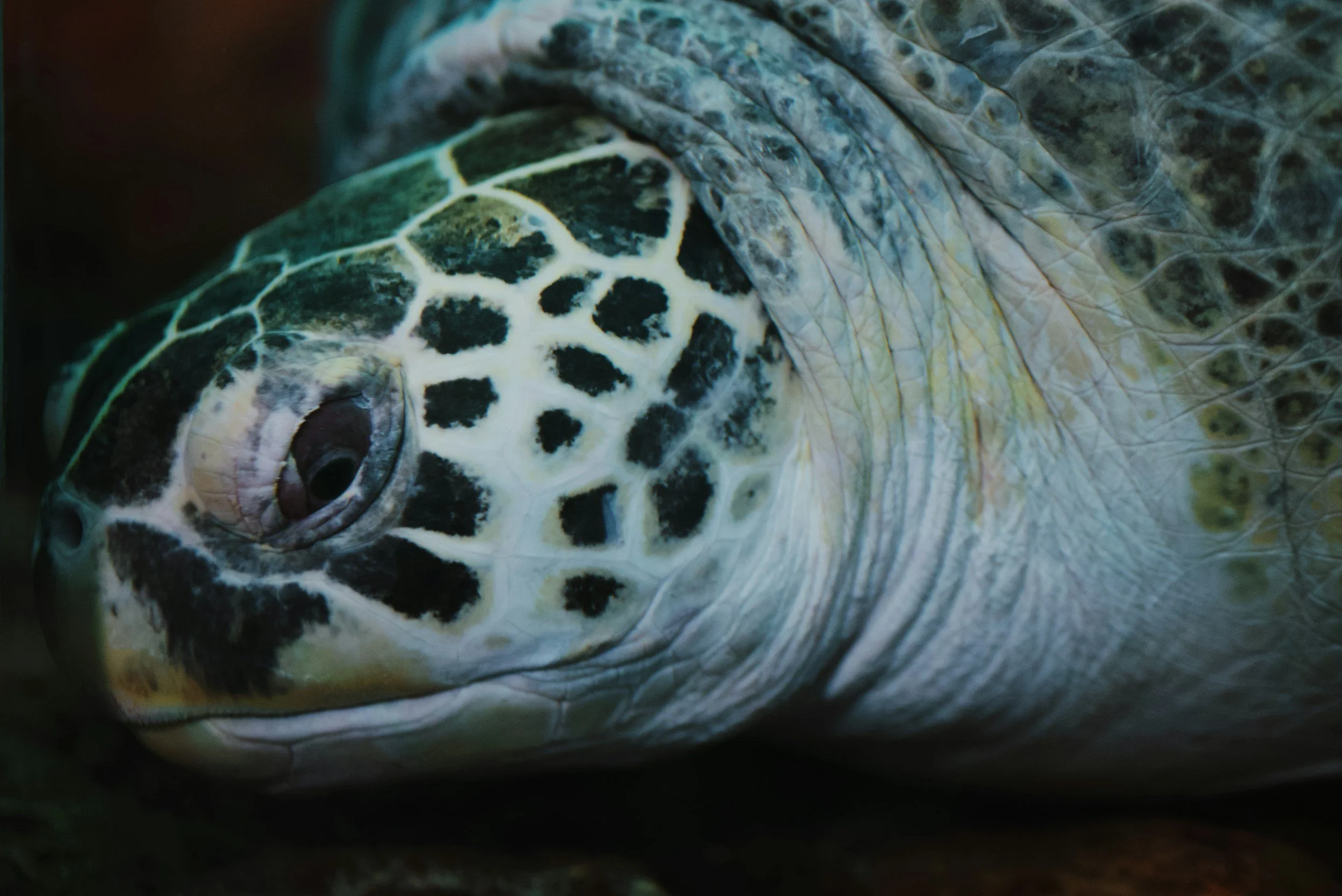
At our reptile facility, we provide housing and care tailored to the specific needs of these animals. Controlled temperature and lighting conditions form the basis for species-appropriate care. When necessary, we admit sick reptiles for observation and medical care.
Turtles: Proper hibernation is an important part of a healthy annual cycle for many turtle species. A specially designed refrigerator maintains a constant, controllable temperature during hibernation. We regularly check on the animals during hibernation. We’ll assist you with preparations, advise you on health checks before hibernation, and help you tailor the conditions to the specific needs of each turtle species.
-
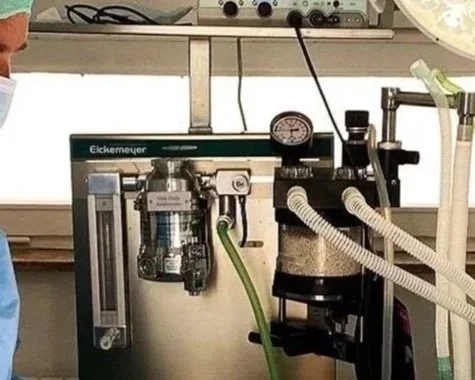
Inhalation Anesthesia
At our veterinary practice in Berlin-Neukölln, we perform surgeries under gentle inhalation anesthesia with intubation. This involves inserting a tube into the trachea to secure the airways and allow for a controlled supply of oxygen and anesthetic gas. This procedure ensures safe and easily controllable anesthesia throughout the entire procedure.
-
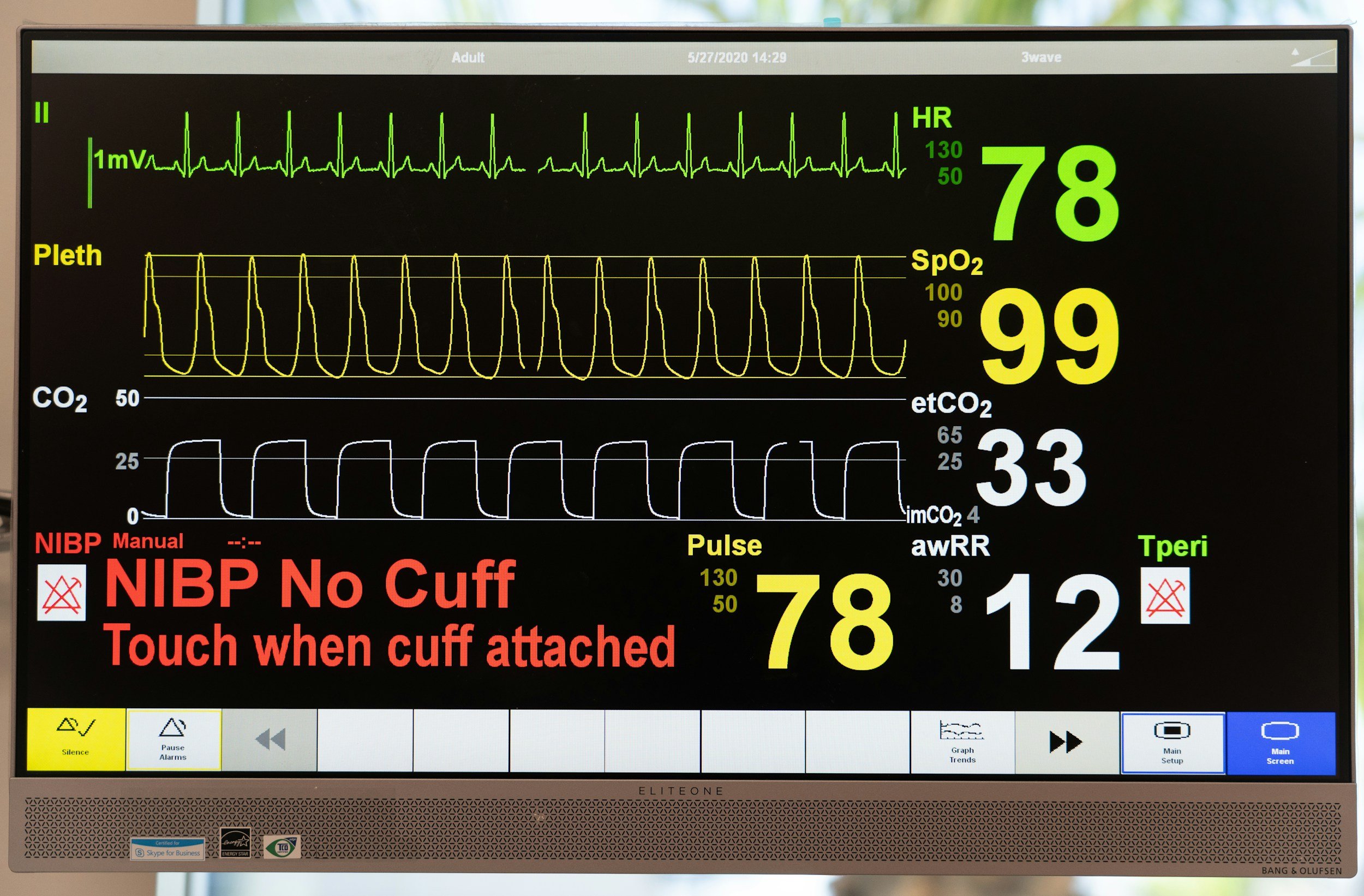
Monitor Monitoring
Continuous anesthesia monitoring allows us to monitor important vital signs—such as heart rate, ECG, respiration, carbon dioxide levels, and oxygen supply—during the procedure. This enables us to closely monitor the course of anesthesia and respond as needed.
-

Thermal Management
Another important component is our thermal management. Since animals can easily become chilled during anesthesia, it is important to ensure an adequate supply of heat and to monitor their body temperature. External heat supply is essential, especially for longer periods of anesthesia during dental procedures or complex surgeries . At our practice in Berlin-Neukölln, we use a special warm-air blower and a special heating pad for this purpose. The patient lies on a soft, warm air cushion throughout the entire procedure. This helps ensure a stable course of anesthesia and makes the recovery phase as comfortable as possible.
-
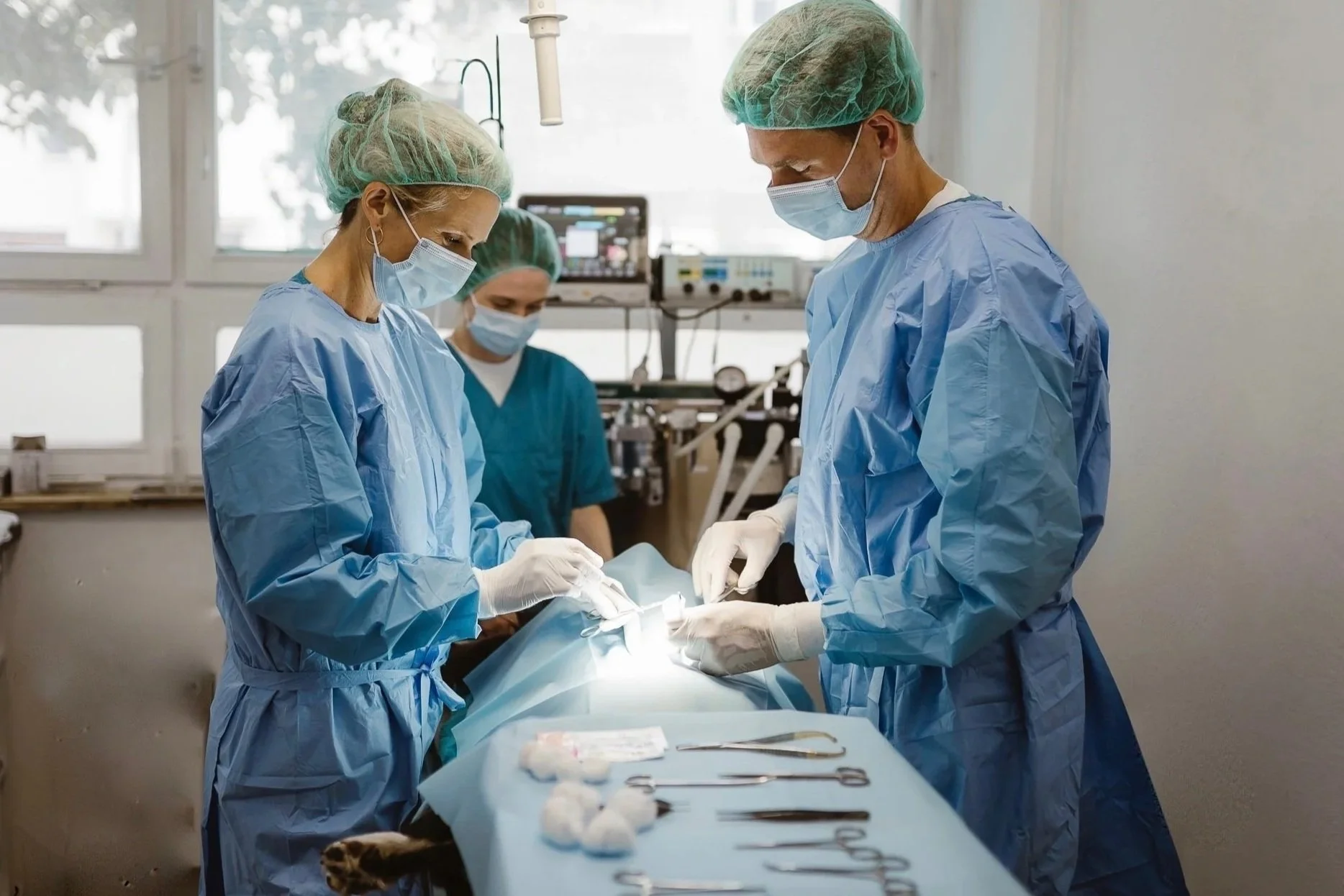
Modern Operating Room
Our state-of-the-art surgical suite at the Sonnenallee Veterinary Practice in Berlin-Neukölln is equipped to perform surgical procedures on dogs, cats, pets, reptiles, and birds. State-of-the-art instruments, combined with our modern anesthesia techniques, provide the foundation for meticulously performed surgeries and high-quality surgical care for our patients.