
Reptiles
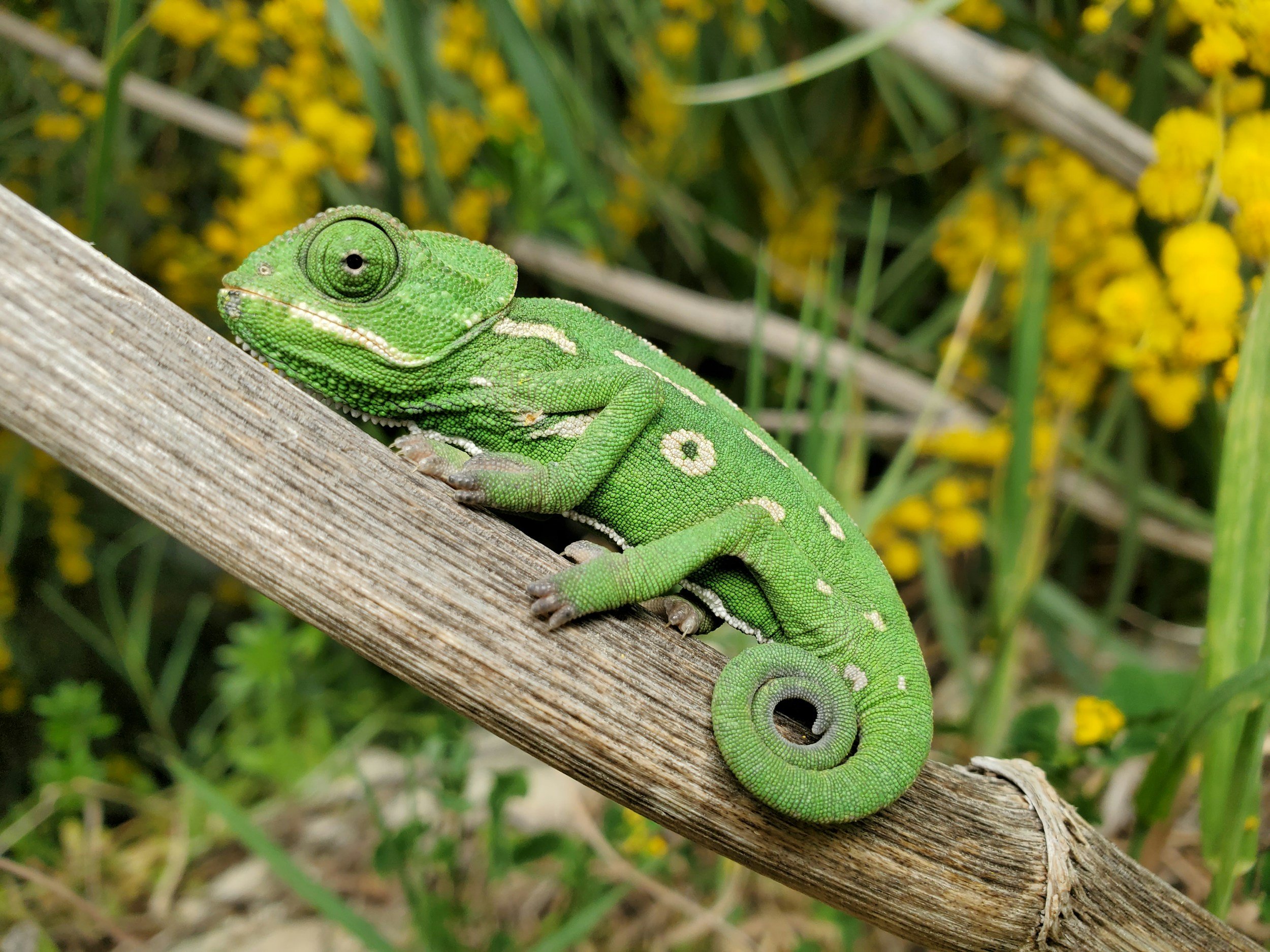
When it comes to reptiles, it is especially important to be informed about their care requirements, such as lighting, terrarium equipment, and feeding. Therefore, before visiting our practice, please fill out the questionnaire on the New Patient page . We also perform all internal medical examinations on our reptile patients, including blood tests, ultrasounds, and X-rays. We can also help many patients with surgical procedures. For example, in addition to tumor and abscess surgeries, we regularly perform cesarean sections on turtles and lizards experiencing egg-laying distress.
Reptiles are divided into four major groups: snakes, lizards, turtles, and crocodiles. Our veterinarians in Neukölln, who specialize in reptiles, primarily treat the first three groups. No matter what type of reptile you bring in, it’s always a good idea to bring a fecal sample (a collection of at least three stools; for snakes, a single sample is sufficient) to your appointment. This allows us to rule out parasitic diseases in advance. For species that hibernate, an annual examination before hibernation in September to have a health check performed. Here, we pay special attention to infectious diseases to ensure your pet awakens safely from hibernation. For other species, an annual examination is also recommended to detect changes in weight, parasitic diseases, skin changes, or alterations in posture in a timely manner. Of course, this can also be done at home, and you can wait to bring your scaly friend in until you notice these changes—for some stress-sensitive species, this might even be the best approach. But sometimes, subtle changes go unnoticed in daily care, and an outside perspective can be helpful in these situations.
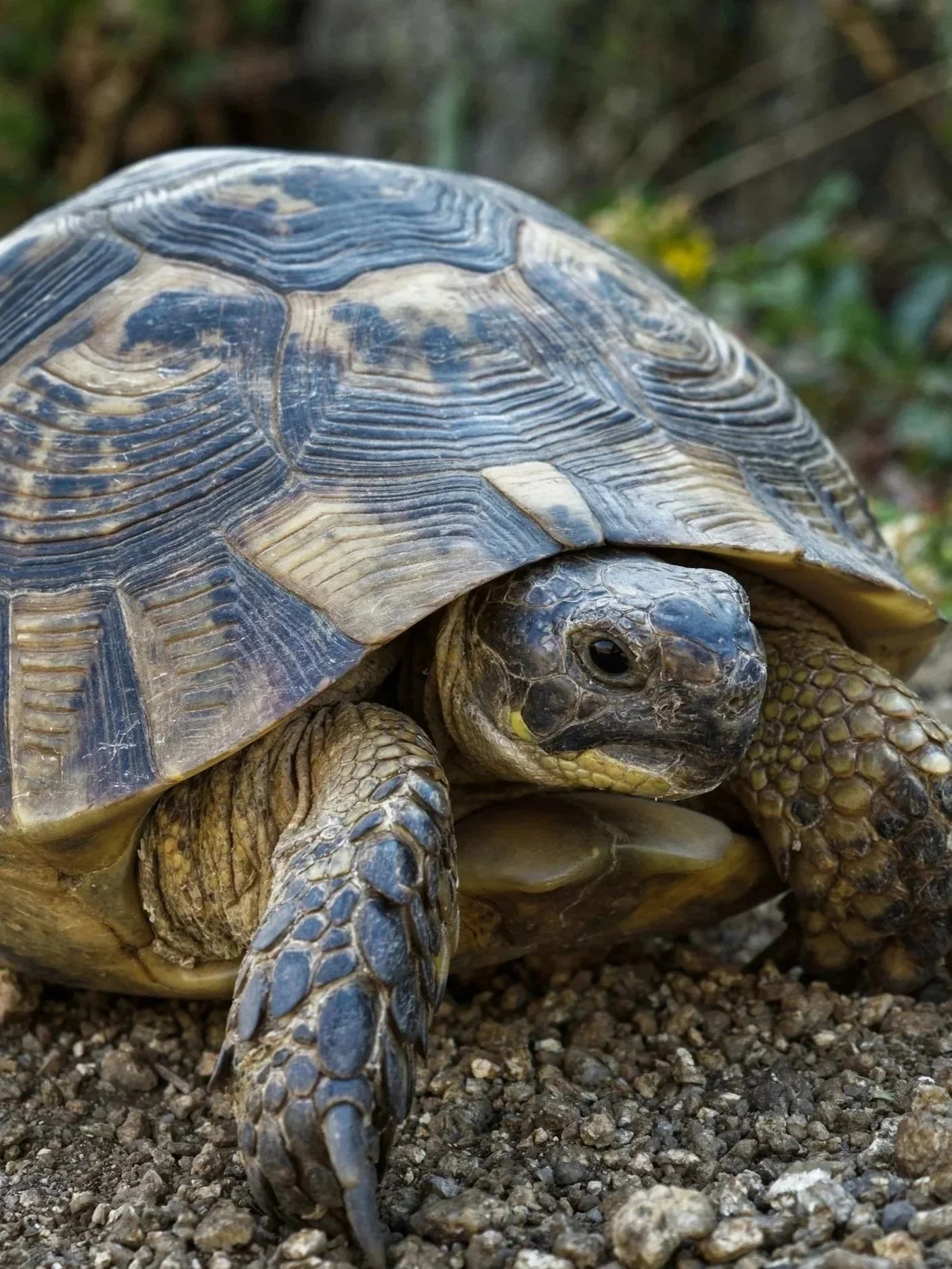
Turtles can be found on land, in water, or in the ocean, although the latter rarely end up in private care. They live in deserts, steppes, forests, and rainforests; some species inhabit swamps, ponds, and rivers, while others rarely leave the water. Their diets are as varied as their habitats. What all turtle species have in common is that they lay eggs—on land. And like all reptiles, turtles do not generate their own body heat, so external heat must be provided within the comfort range of their respective natural habitats.
This raises many questions regarding animal care, which is an important part of our discussion. Please fill out the questionnaire on the new customer page to describe your care practices.
Hibernation is important for European tortoises in terms of reproduction and strengthening their immune systems.
Turtles
Lizards
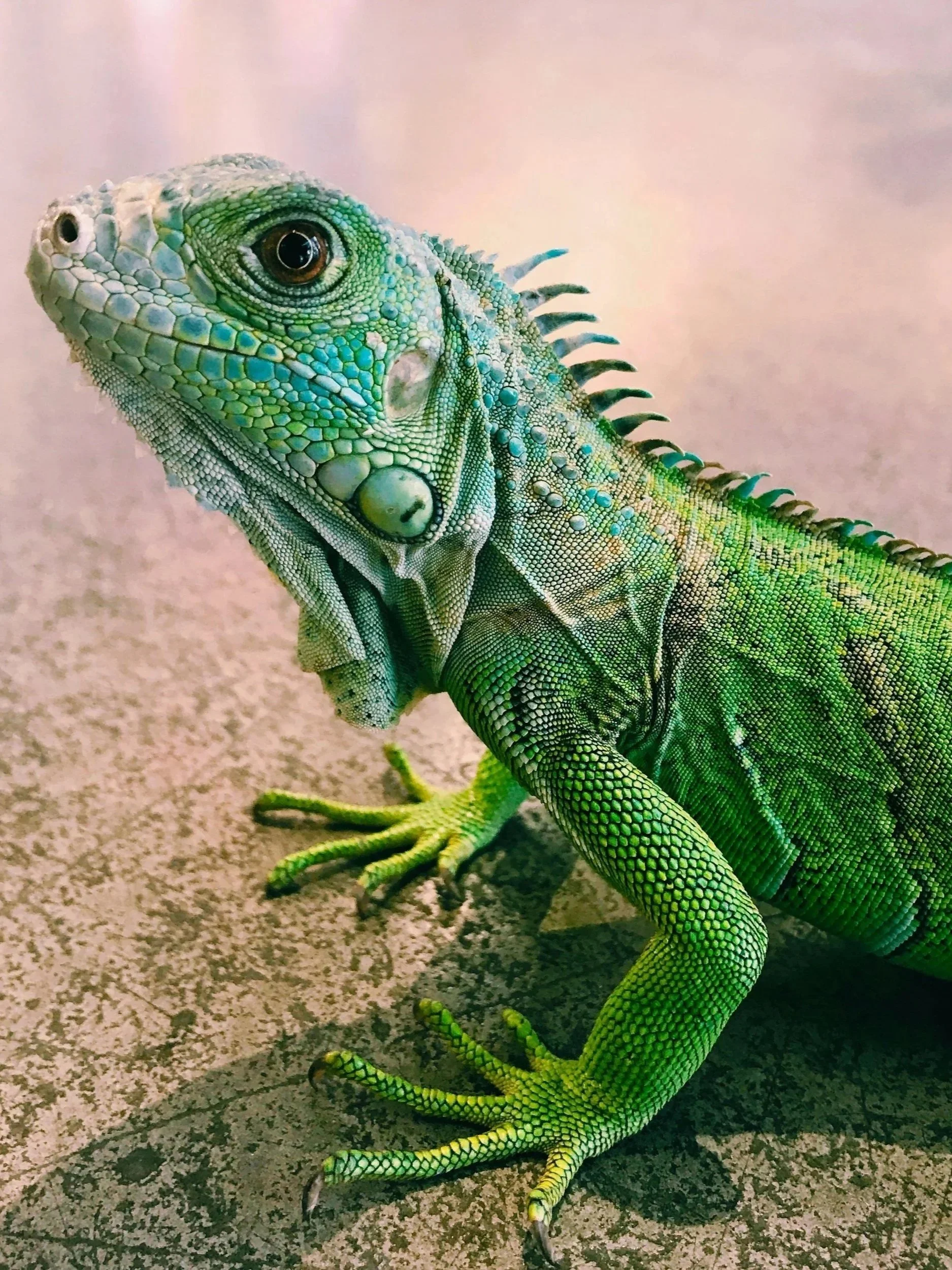
Lizards can range from very small, such as Lygodactylus williamsi, to very large, such as the Komodo dragon. They inhabit deserts, steppes, forests, and rainforests. The only regions they do not inhabit are the Arctic and Antarctic. Their diet ranges from the tiniest insects to full-grown mammals, though some species also prefer vegetables and fruit. And sometimes—as with the green iguana, for example—their diet changes from being insectivorous as juveniles to primarily herbivorous as adults. Some lizards are diurnal, while others are nocturnal. We need to know all this information about our chosen pet and recreate it in a small replica of its natural habitat in the form of a terrarium.
We may not have seen every species on the treatment table at the Sonnenallee Veterinary Clinic, but we can draw many conclusions based on their appearance, and we’re happy to look into things for you in advance if you have any questions.
In reptile medicine, diagnosis and treatment begin with a consultation on care. To do this, please fill out the questionnaire on the new-patient page to describe how you care for your pet.
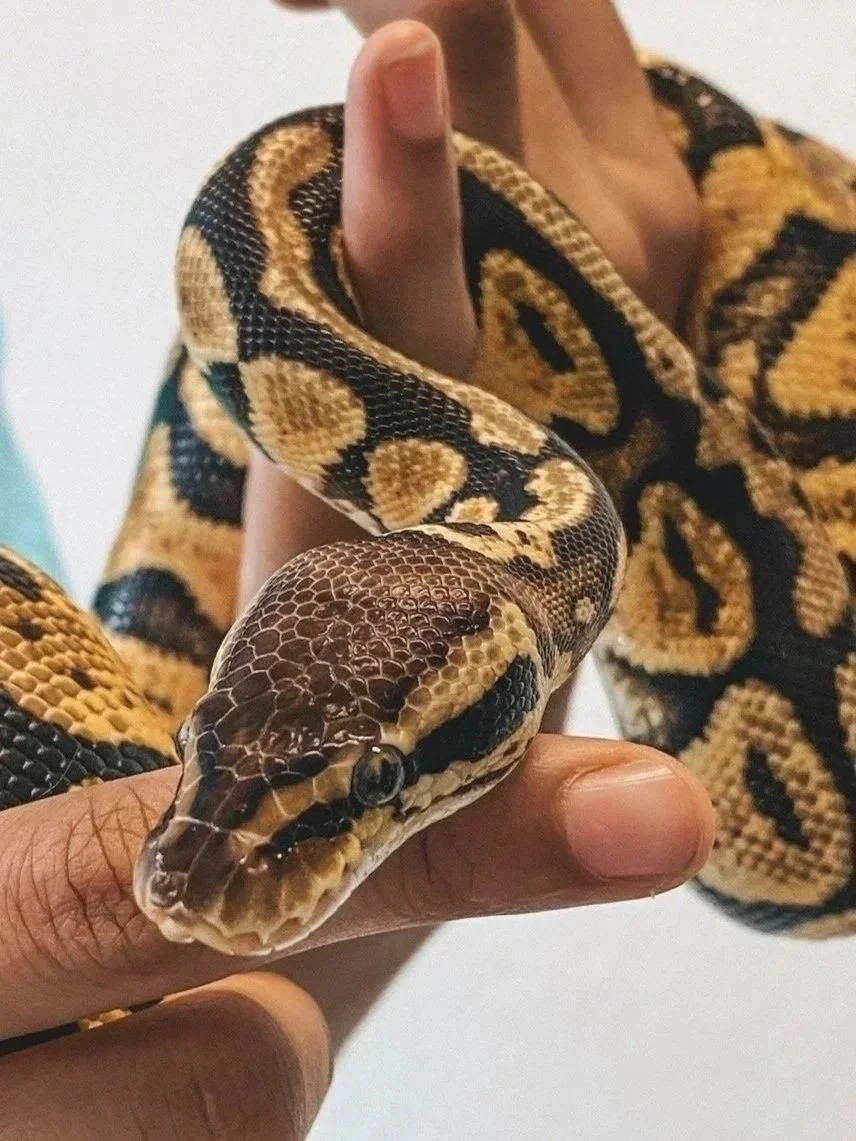
Most snakes are crepuscular or nocturnal. Their sizes range from about 10 cm to 10 m. Snakes are found in all regions of the world except for the northernmost and southernmost ones. A terrarium should be appropriately sized and replicate these habitats. Feeding must be appropriate for the snake species and should be carried out in accordance with animal welfare standards. Heat and humidity play an important role in their care; UV light plays a relatively minor role due to their evening activity. There are also species that hibernate. Before bringing your snake in, please fill out the questionnaire on the new client page and schedule an appointment with our veterinarians who specialize in reptiles.
Snakes
Internal Diseases in Reptiles
To build strong bones, we need two things: calcium and vitamin D3. Reptiles (and we, too) need UV-B light for vitamin D3 synthesis. UV-B radiation cannot penetrate glass, which is why UV lamps are always used when keeping reptiles indoors to prevent metabolic bone disease (rickets). Animals obtain calcium from their diet (plants or bones), but it should be supplemented, especially for young animals.
Parasitic diseases are most commonly found in the gastrointestinal tract—these are known as endoparasites. However, there are also some species of mites that thrive on reptile skin and are usually visible to the naked eye. In some aquatic turtles, leeches can act as parasites.
Inflammation of the respiratory tract can also occur. In reptiles, the respiratory rate is often very low; in turtles, it is very difficult to measure due to their shells, and auscultation with a stethoscope is often not possible because of their thick, spiny, or armored skin. Therefore, an examination of the nose and throat, as well as abnormal breathing sounds detected during a general examination, can indicate respiratory tract infections; X-rays are the diagnostic method of choice for a thorough evaluation of the lungs. If an inflammation of the respiratory tract is detected, we at the Sonnenallee Veterinary Practice recommend taking a sample to have a bacterial culture performed at an external laboratory so that the pathogen can be treated specifically.
Reptiles can develop organ diseases such as liver or kidney failure, especially as they age. These conditions can have various causes. A blood test in our in-house laboratory allows us to make a definitive diagnosis and develop a personalized treatment plan.
Surgery on Reptiles
Violent altercations can occur among reptiles; even during courtship behavior among tortoises, significant bite wounds sometimes occur between the sexes. These wounds should be examined and treated with antibiotics. In most cases, these injuries heal without surgical intervention. However, if necrosis develops in the tail or toe area of some lizards following bite injuries, amputation of the affected body part may be necessary.
The situation is different when it comes to bite injuries caused by other domestic or wild animals. In particular, outdoor-kept swamp and land turtles may suffer shell fractures, which then require surgical treatment. Cars, spades, and lawn mowers can also pose hazards in this context.
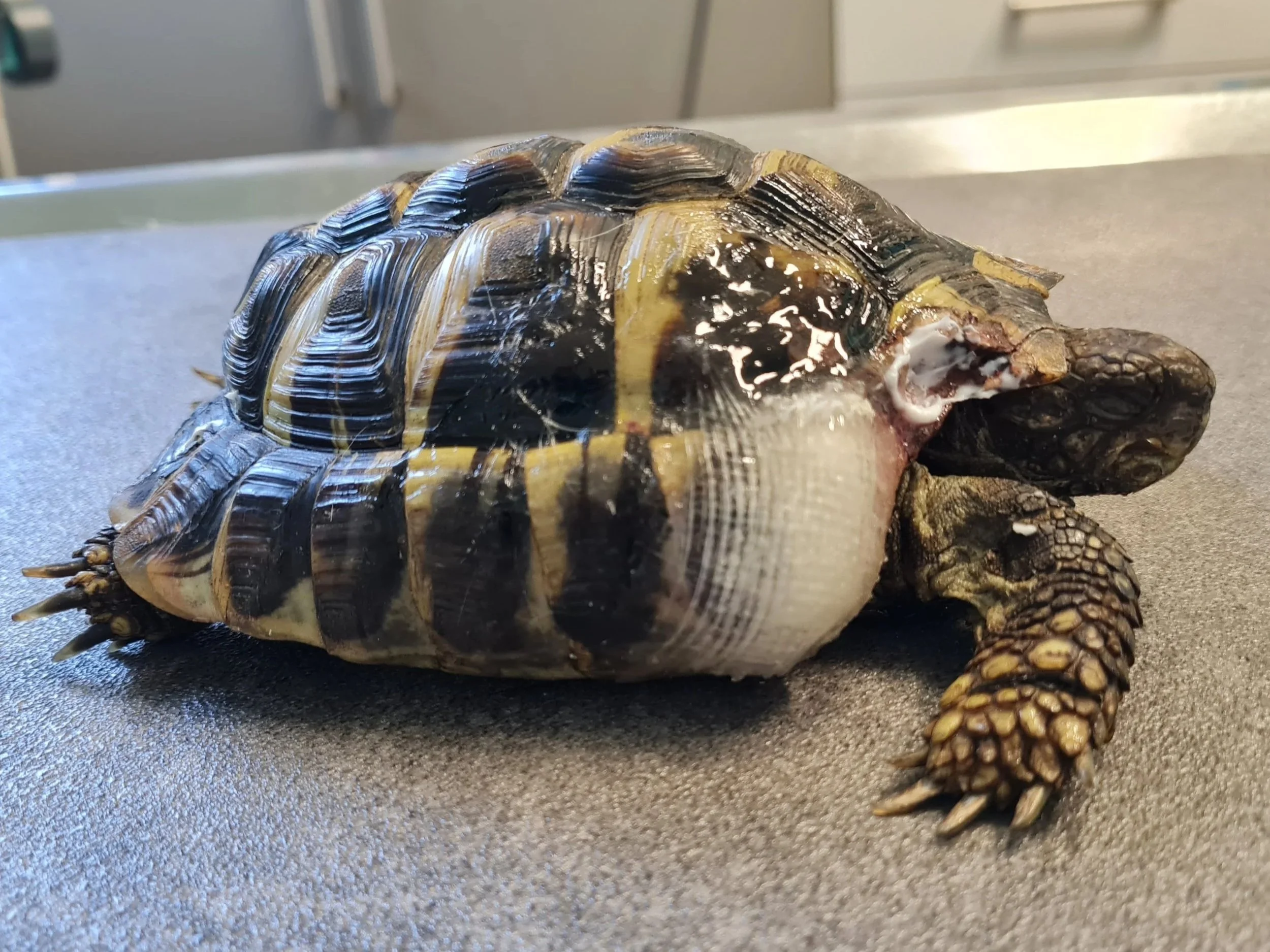
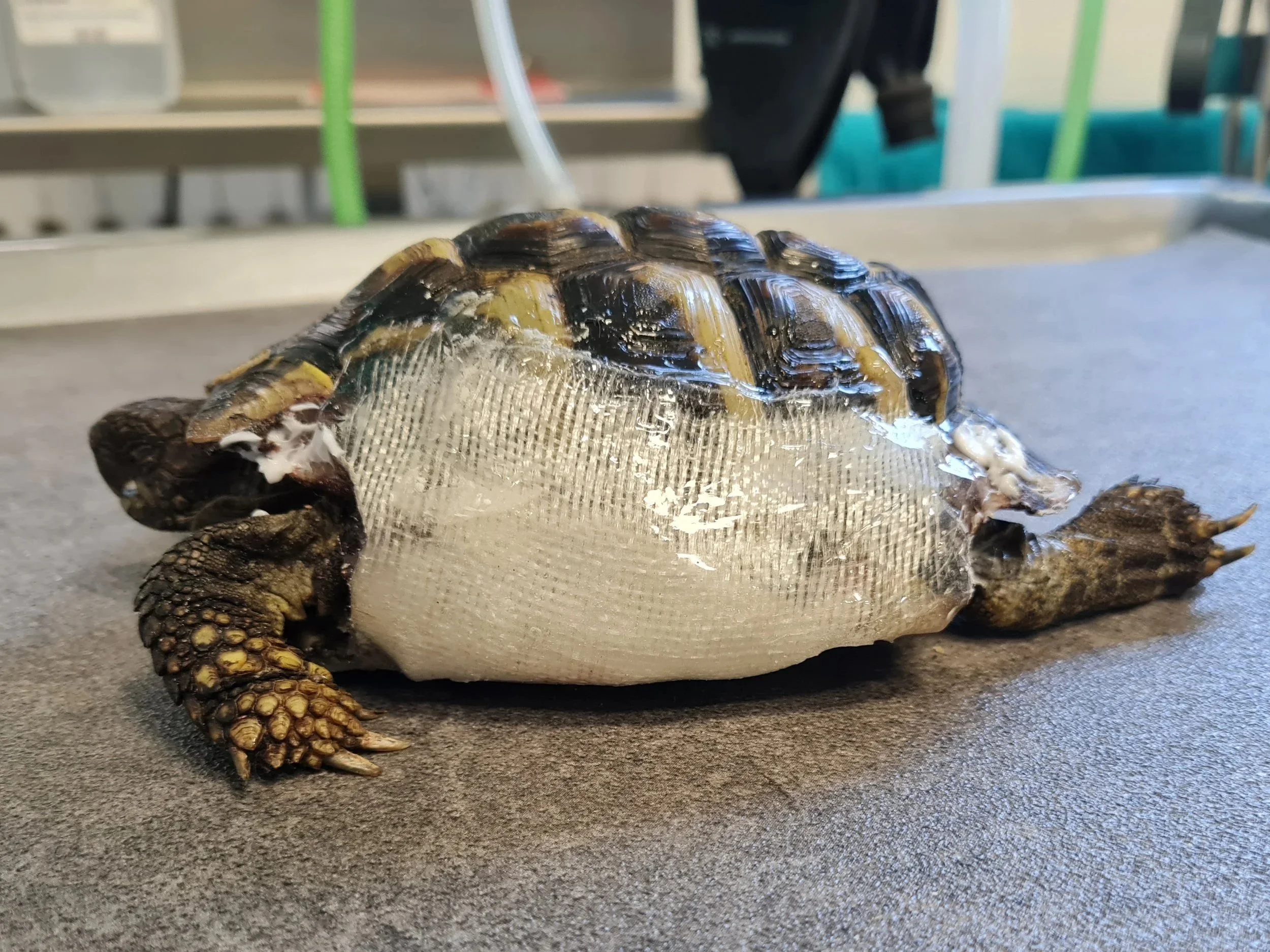
Photo: Turtle with a cast—shell fracture and injuries sustained in an attack by a wild animal.
Just as with birds, reptiles can also experience egg retention. In this case, that doesn’t just mean that fertilized eggs are unable to be laid (postovulatory egg retention); in some cases, we also see mature follicles that are unable to travel from the ovary to the oviduct (a condition known as preovulatory egg retention). While in cases of postovulatory egg binding it is still possible to use labor-inducing agents to help the eggs be laid, preovulatory egg binding almost always requires surgical intervention to remove the ovaries.
The diagnosis can be made using X-rays and ultrasound. While the castration procedure for lizards is similar to that for dogs and cats, anatomical peculiarities must be taken into account for snakes and turtles. For example, snakes have very elongated organs, which usually make a small incision impossible, and turtles have a bony shell that blocks access to the abdominal cavity (coelom).
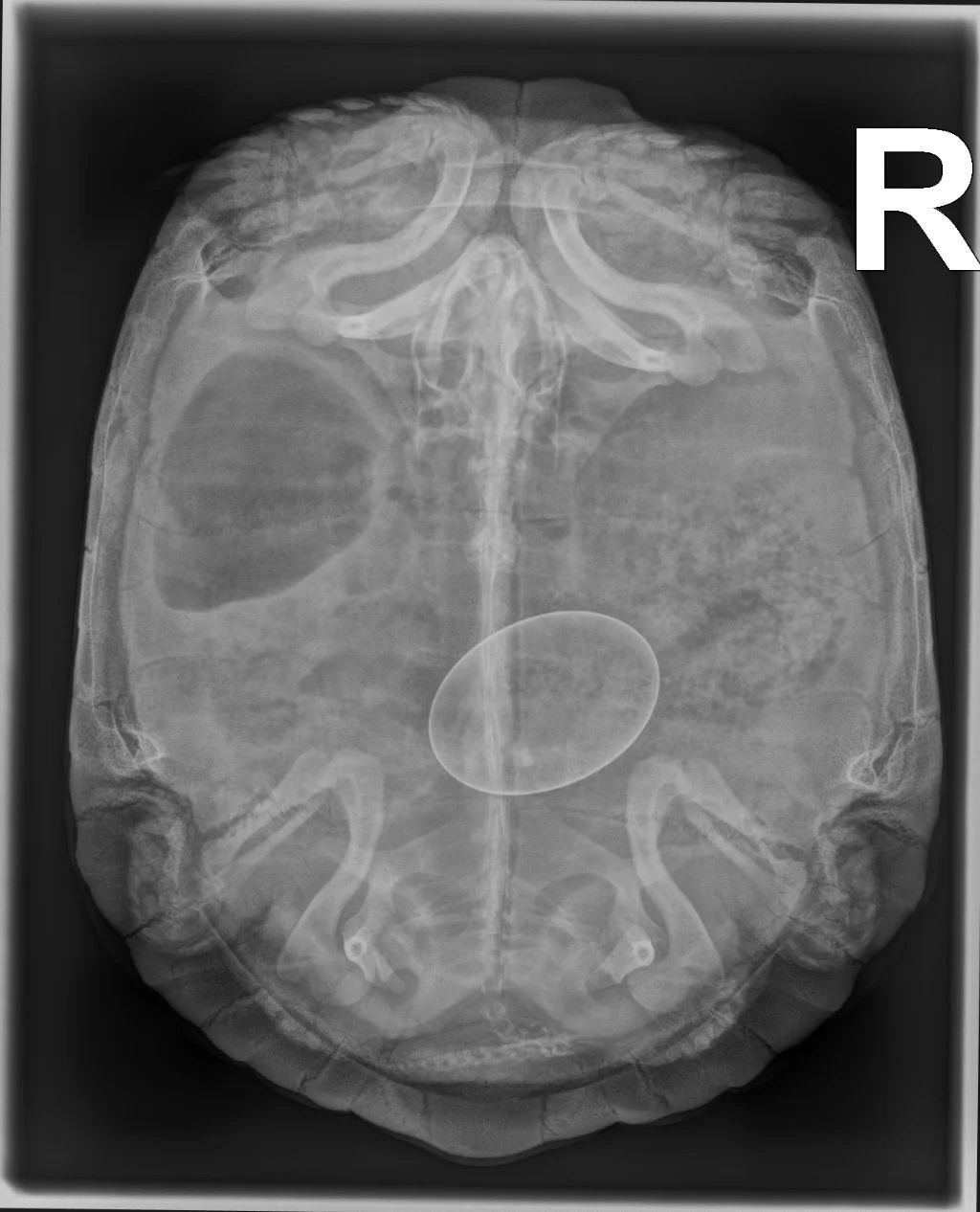
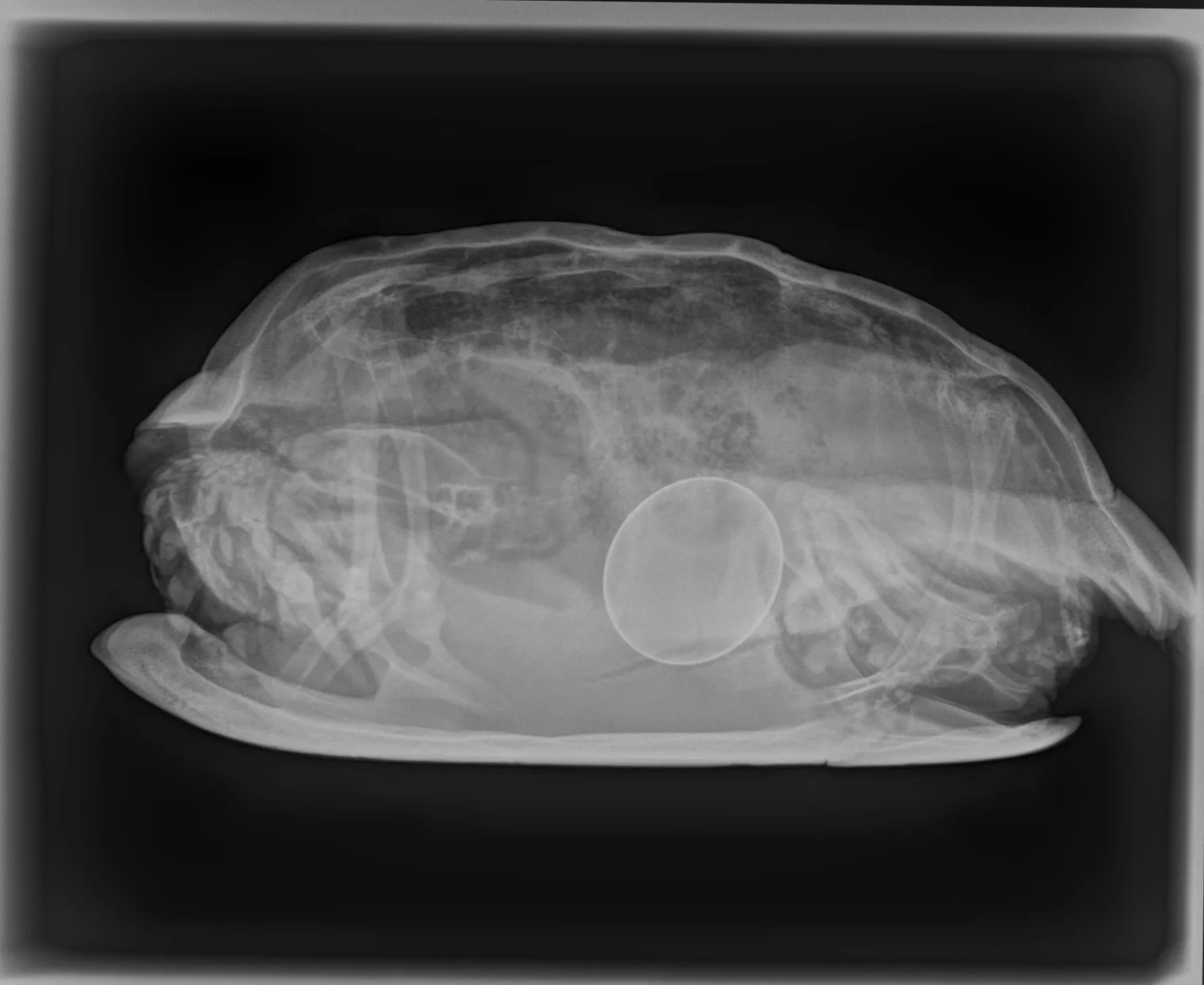
Photo: X-rays of a turtle with an egg
Bladder stones (if the animal has a bladder) or tumors may also require surgical intervention. Foreign bodies are relatively rare, but some herbivores find, for example, the plastic plant in the terrarium or the plastic toy on the floor too tempting to resist.
At the Sonnenallee Veterinary Clinic in Neukölln, we are prepared to perform these procedures. We have specialized anesthesia protocols for reptiles, as well as the necessary surgical equipment and a team of experts, all ready to help your pet. In most cases, patients need to stay with us for a few days after the procedure so that we can closely monitor the extended recovery period following anesthesia and provide medication support during the first few days.
Hibernation
Hibernation is an essential part of the natural life cycle for many species. Without hibernation, European tortoises, for example, have difficulty reproducing or are unable to do so at all; it is also important for strengthening the immune system. Many of these animals don’t even give you a choice—they simply go to sleep when the days get shorter! No matter how bright and warm it may be in the terrarium. And that’s exactly where the danger lies! Hibernation must take place under conditions that closely mimic nature so that it actually promotes health rather than endangering it! And that means a Greek or Russian tortoise wants to hibernate at 6–10°C, not at 18°C. And that, in turn, means that the refrigerator is a safe and good alternative to basements or attics, where temperatures are subject to greater fluctuations and rats can also be a problem.
At the Sonnenallee Veterinary Practice in Neukölln, we offer a winter storage service in a refrigerator for European tortoises. The animals are thoroughly examined before hibernation and tested for herpes and mycoplasma. During hibernation, they are checked and weighed once a week to detect any problems early and, if necessary, end their hibernation. Please register your animals well in advance and bring them in for an initial examination beforehand. Space is limited.
Other species, such as bearded dragons, also hibernate. Please contact us to schedule a preventive care appointment. We’d be happy to advise you!